

All the tales below are also available via our Folk Tale Map. We would love to publish your comments on the blog posts, or hear your suggestions for new ones. Please get in touch!
What is a folk tale?
According to the Oxford English Dictionary, a folk tale is any tale that is ‘of, pertaining to, current or existing among, the people; traditional, of the common (local) people’. The boundaries around the edges of this, or any other sensible definition of the term, are blurry, and we don’t mind that, though we do not focus on ghost sightings, superstitions, etc, unless they amount to stories and are (or were until recently) commonly known, or religious miracles unless they have strong secular, community-centred links or connotations. We accept this is unsatisfactory in some senses, but do not know how it could be otherwise. Primarily, we are interested in stories, where they come from, and how they are remembered and played with by storytellers and writers – and in sharing all of this, through books, articles, events, workshops and this website.
For the purposes of this website, and project, a folk tale is taken to be a scientifically unverifiable or largely unverifiable narrative (or a narrative with such elements), of any length or complexity, and of unauthored, unknown or unverifiable provenance (though famous versions by named authors may exist), which has primarily been told, has entered public consciousness, and is effectively public property. We include legends: traditional narratives that are or have been popularly regarded as historical, but which are not or cannot be authenticated.
Folk tales, or folklore?
Folk tales are an inherent aspect of folklore, a broader term covering all aspects of folk belief, customs, etc. For the purposes of this project, though, we are primarily interested in stories, some of which are rooted in verifiable fact, many of which are not – which does not mean they are entirely untrue either, or that they don’t have truths within them.
Your contributions?
We encourage you to come to our events, read the articles and books that are generated through the project, contribute to this website and our social media, and make use of the interactive map. That map can never be complete, but it can grow! We want it to be a community endeavour, and will continue to add to it until July 2025, after which it will be archived. Your contributions to the map and folk tale page will be fully credited and deeply appreciated! If you have a suggestion for it, or anything to add to one of our entries, please do contact us.
-
Three Kings
Threekingham is an unusual name, and an incorrect etymology has long been attached to it, as is not uncommon with place names that are unusual – especially when those names so obviously seem to suggest something concrete. Three kings, for example.
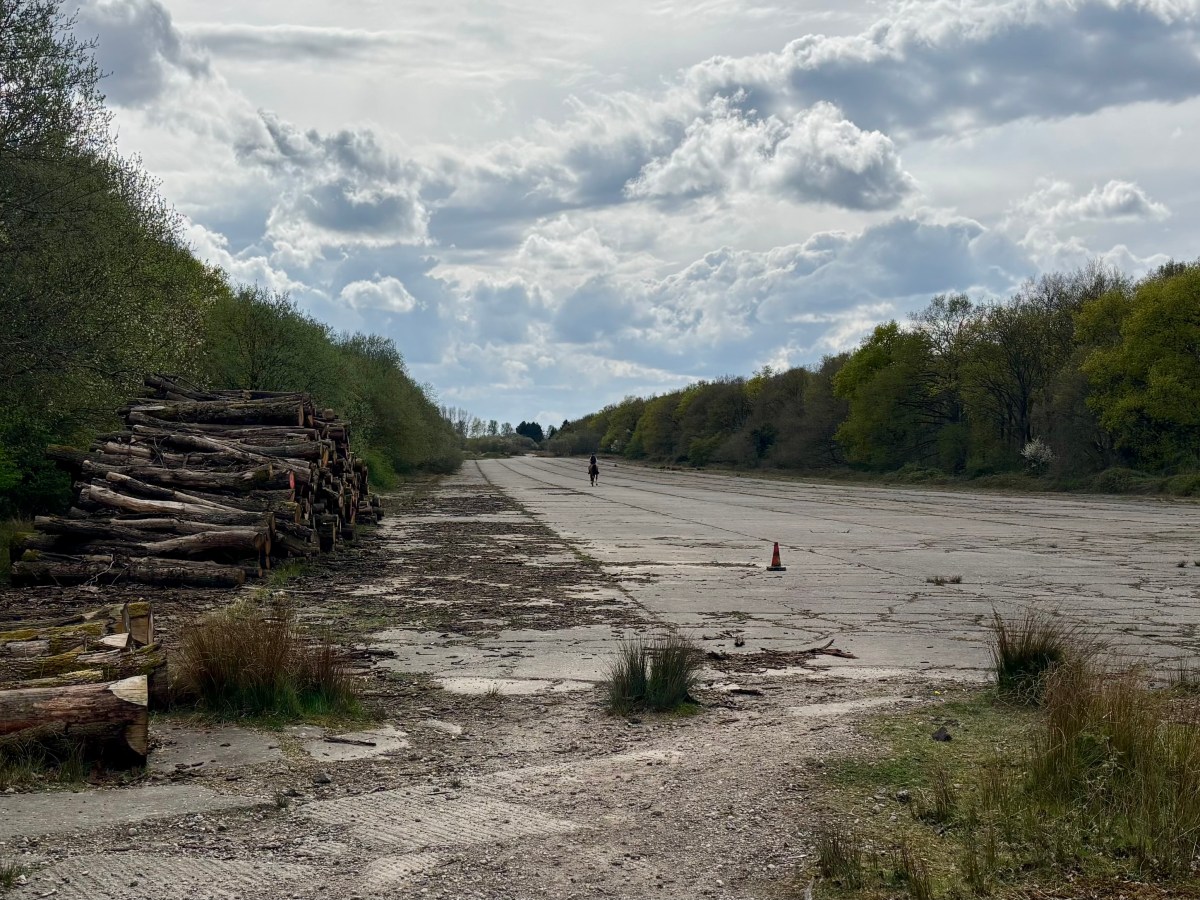
Twyford Wood (RAF North Witham)
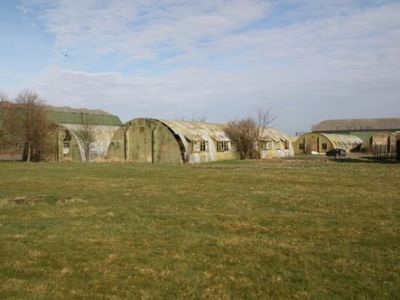
RAF North Witham was established in 1942, and closed in 1960. It encroached upon what had been Twyford Forest, and after the closure of the base the Forestry commission took it back over and planted thousands of trees. This has created a beautiful, unusual composite: increasingly mature woodland grows thickly around increasingly crumbling and buckling…
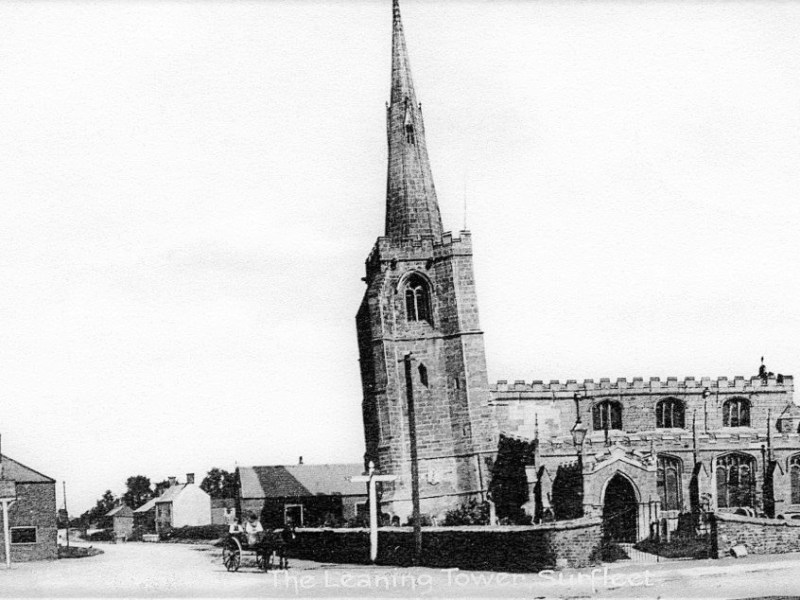
The Leaning Tower of Surfleet
The tower of St Lawrence’s Church, Surfleet leans towards the main road through the village, which straddles the River Glen.
The Origins of the Wild Man of Stainfield?
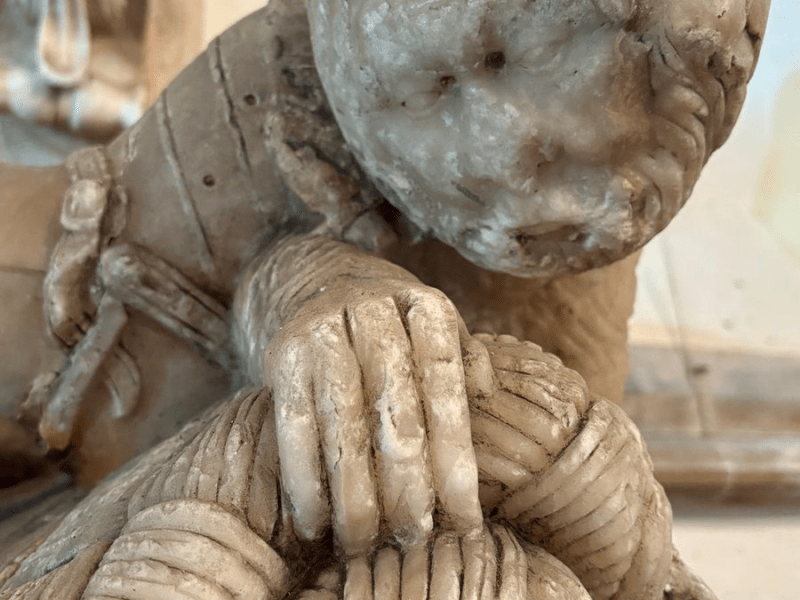
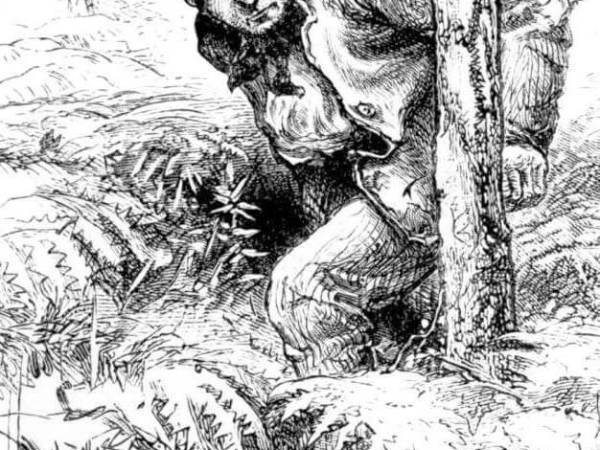
In All Saints’ Church, Bigby, you can see a sixteenth-century alabaster Twywhitt family tomb, depicting a supplicant wild man of the woods, or wodewose. He is attached to a Tyrwhitt family legend…
The Sebastopol Inn
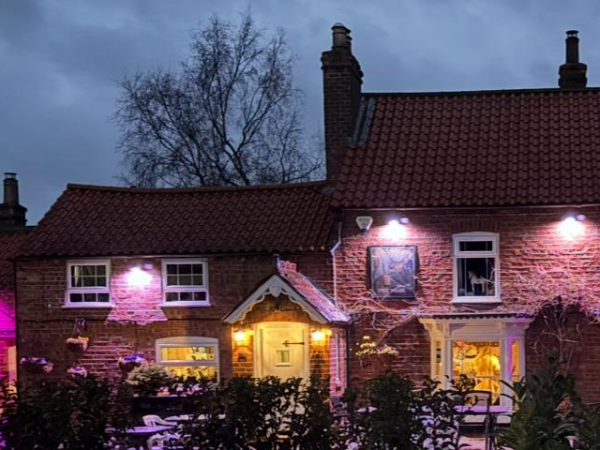
A local legend has it that a soldier returned from the Crimean War (1853-6), got drunk at the pub, and drowned in a dyke as he made his way home.
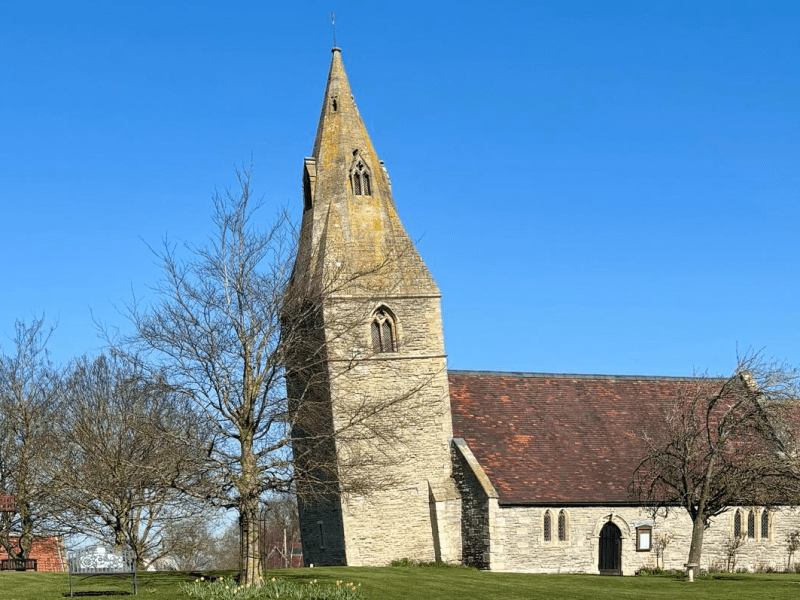
The Leaning Tower of Dry Doddington
Our research hasn’t discovered many extant folk tales in this part of the county, as you might have noticed from the map. However, the pretty hilltop village of Dry Doddington has the makings of one.
Villain or Victim: was Tom Otter wrongfully accused?
The tale of Tom Otter is one of the grisliest stories featured by the Lincolnshire Folk Tales project. The historical event fit for any true crime podcast had its own mythology grow up around it, fed by nineteenth-century audiences yearning for the macabre. Otter, a young navvy (or, in local vernacular, banker) working near Lincoln,…
Ghostly Monks on Lincoln Edge
The Lincoln Edge outside the village of Bracebridge Heath, south of Lincoln, is supposedly haunted by a procession of ghostly monks carrying flaming brands.
Newton’s Apple
Any schoolchild who has heard of Sir Isaac Newton is almost certain to know one thing about him: he was sitting under an apple tree when an apple fell on his head, and put into it the universal law of gravity.
Saint Etheldreda’s Staff
The seventh-century St. Etheldreda (also known as Æthelthryth or Æðelþryð, and in religious contexts as Audrey) stopped at Stow on her journey from Northumbria to the Isle of Ely, to where she was fleeing in order to become a nun. She planted her ash staff in the earth, and it transformed miraculously into a mature, foliage-rich tree.
-
A Witch of Kirton in Lindsey
A servant we had from the neighbourhood of Kirton Lindsey [sic], North Line. told me when her mother was confined [pregnant], a man in the village “witched her,” so that she could not move in bed, nor could the bed be moved until the man came and “unwitched her”
Meg’s Island
Cleethorpes is often referred to as Meggies, and it is a word you’ll see written around town. Meggy (or sometimes Meggie) is also a locally-known demonym for a person from Cleethorpes. But why?
Ghost Child
In Scandals and Legends of Barton-upon-Humber, Book 2: Ghosts, Money and Love (1999), Karen Maitland and Jeannie Bishop tell the story, well known locally, of the ghost of a little boy at Providence House (until quite recently used as the town library). ‘The supernatural activity always increases each year’, they write, ‘in the few days…
Forget Me Not
The story of as young woman who lived near the ruins of Monks Abbey, and of the knight she was courting.
Maidenwell: coach and horses
One (spurious) explanation for the etymology Maidenwell, recorded in a reader’s letter in the magazine Lincolnshire Life (1975), is that a young woman was thrown down a well by Cromwell’s soldiers. Ethel Rudkin (1936) includes this brief entry: ‘In Ostler’s Lane there is a haunting – a coach and horses goes by, and the coachman…
The Soldier and the Dog
After his death in his nineties, the soldier has been rumoured to walk to Hubbards Hills with a small dog at his side. Other dog walkers have reported their pets becoming agitated and refusing to go near the spot where the soldier met his paramour.
Gunby Hall Ghost
A path running past the pond on the grounds is known as the Ghost Walk, on account of a gruesome murder the allegedly took place in the 18th century and the unquiet spirit it produced.
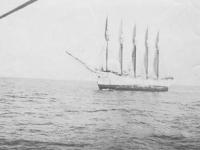
Lincolnshire’s Own Mary Celeste
Waters around the British Isles teem with stories of ghost ships, and Lincolnshire is no exception. Two reports of ghost ships driven ashore with no one to be found on board are associated with Cleethorpes Beach.
Halton Holegate Haunting
The tale concerns a farmhouse in the village of Halton Holegate, near Spilsby, which was reportedly the site of a haunting in the nineteenth century – though the story doesn’t end with that.
The incumbents, Mr and Mrs Wilson, were subject to disturbing sounds of furniture moving on its own, and…
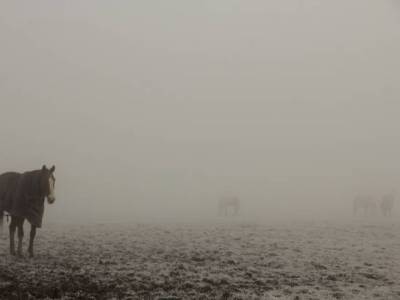
Group of horses standing in field on frosty and foggy day with grey sky Gibraltar Point Fog Horse
Legend has it that a farmer on his way to Skegness Market tried to take his horse on a shortcut along the beach at Gibraltar Point. The day was foggy, the farmer lost his way in the mist and drowned in the rising tide…
-
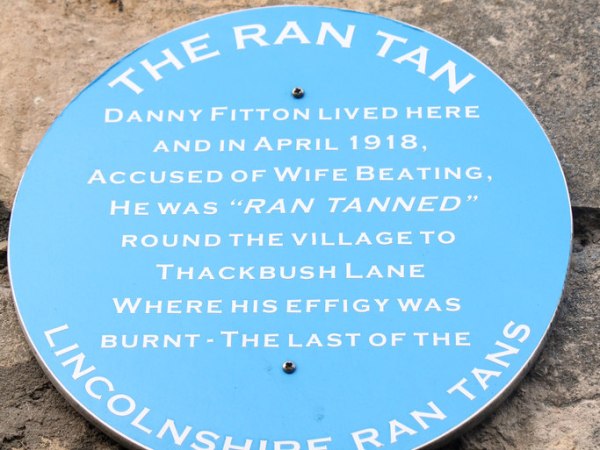
Rantanning
Ran-tan-ning or Ran-tan-tan, an onomatopoeically named custom of delivering folk justice to disproportionately violent members of a community (here, a domestic abuser). Ethel Rudkin records it Holton-le-Clay, Langwith and Willoughton, and the process goes something like this…
Gibbery Gap
At Micklow Hill (Michael-low-hill), near the North Lincolnshire village of Kirmington, a battle took place during the English Civil Wars, between the forces of Parliament and those of the King. One Royalist soldier, who had been disembowelled, tried to reach Kirmington. He went through a hedge-gap and crossed Caistor Lane (now Caistor Road). But he…
Th’ Lad ‘at Wantid to Larn to Shuther an’ Shak
The tale is reset into a local milieu, and is one of the most entertaining things I’ve read in a long time. It’s rendered quite down-to-earth, despite the fantastic elements: the hero isn’t stupid like in the original; the apparitions and boggards he encounters have a local air about them
Tatterfoal
‘Eliza Gutch and Mabel Peacock (1908) mention this ghostly and troublesome horse, and refer to a passage in Pishey Thompson’s History & Antiquities of Boston (1856) where he assigns one such boggard to Spittal Hill in Frieston…
Horkstow Grange
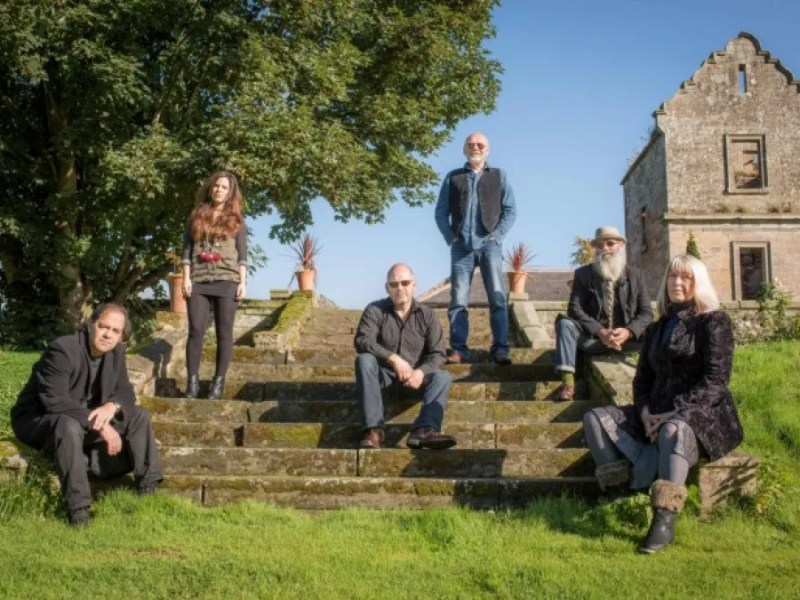
One of the best known folk songs with a Lincolnshire setting. Horkstow Grange is south of Horkstow. The song concerns a fight between a farm bailiff and a worker John Span, alias Steeleye, from which the band took its name – though they didn’t record a version of it until 1998.
Brinkhill Gold
An unexpected discovery in Brinkhill, East Lindsey in the early 17th century led to the Tudor Gold Rush. Or rather, an interest in prospecting that seemed not to spill beyond the local region, but quickly became mythologised…
Cadeby Hall
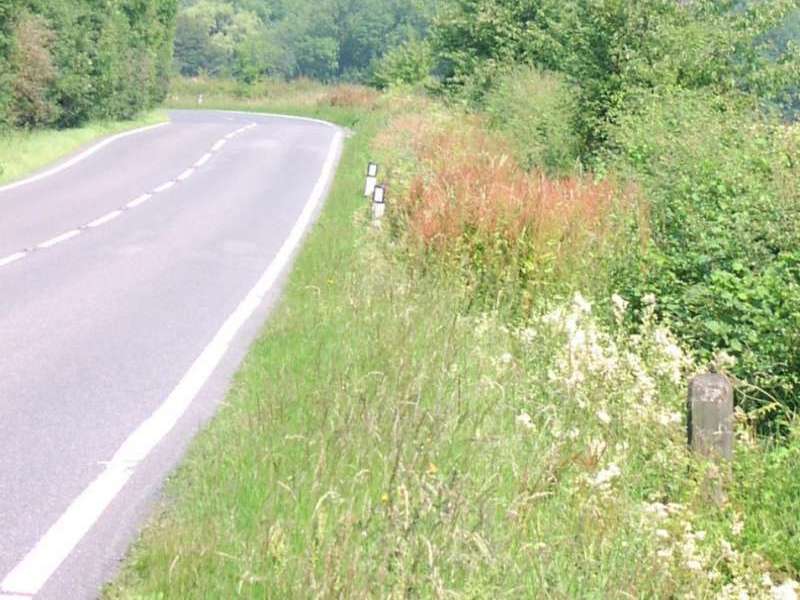
This unobtrusive stone marker on the verge of Barton Road (A18 between Wyham and Cadeby) could be mistaken for a milestone. Instead, it is a memorial for a young man called George Nelson, who died on the spot after either being thrown by his horse or trapped under an upturned cart in the roadside ditch
The Stamford Bull-run
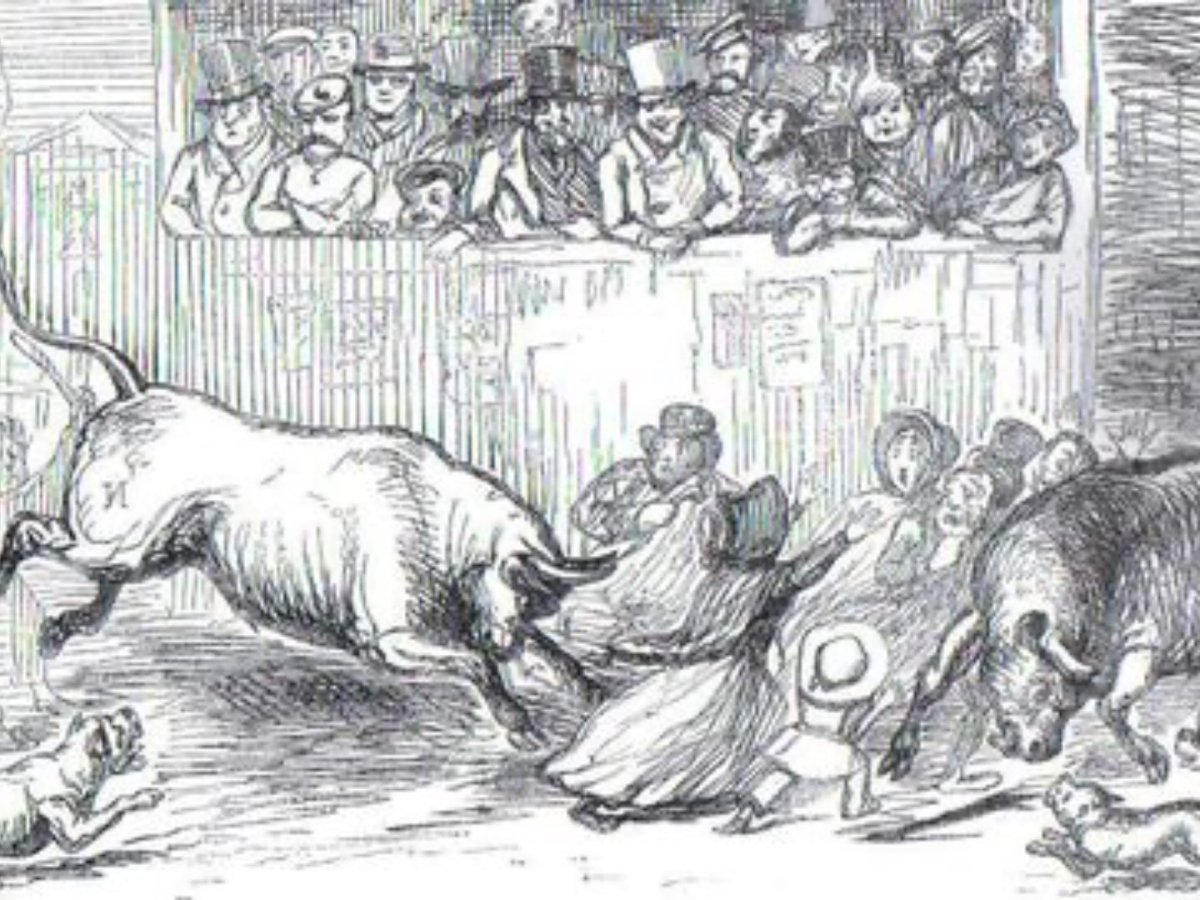
The Stamford bull-run was a town tradition from late medieval times until 1839, when this cruel practice was eventually banned. According to legend, the tradition started in the early thirteenth century, after two bulls were seen settling a romantic dispute over a lovely cow on what is now Town Meadows by William de Warenne, Early…
The Grimsby Imp
A less famous counterpart to the Lincoln Imp, who according to legend caused mayhem in Lincoln Cathedral and was subsequently turned to stone. The Grimsby Imp is his supposed companion…
-
Gainsthorpe: abandoned, or sacked?
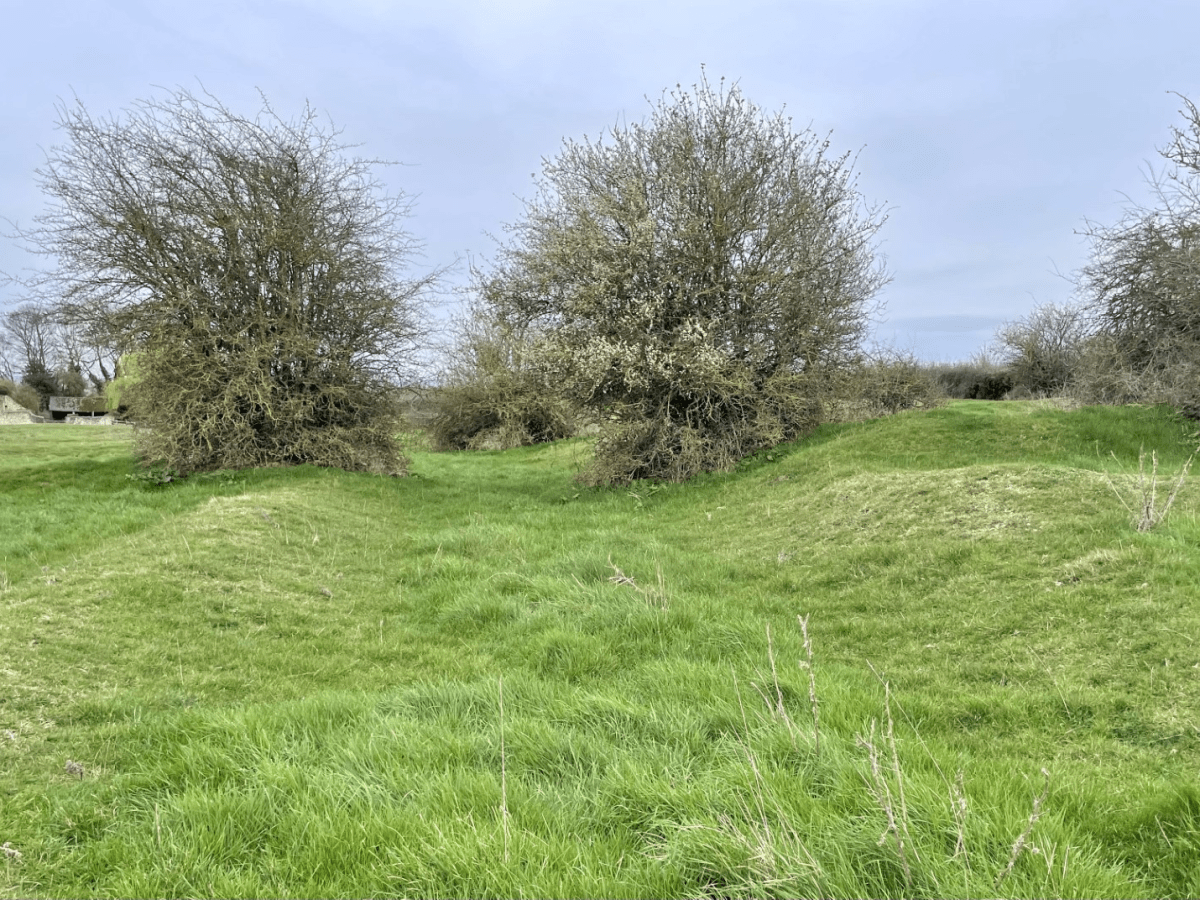
Lincolnshire is full of deserted medieval village sites, one of the best preserved of which is Gainsthorpe. As Jim Snee notes in this beautiful blog post, which contains fact as well as fable, ‘According to legend, Gain[e]sthorpe was not just a village
Daniel Lambert
Daniel Lambert was born in Leicester in 1770, and surely remains the most famous obese man in English history. He suffered from an undiagnosed ailment that brought on immense weight gain, had to give up work, became a recluse, and then took to exhibiting himself to earn money…
Harlaxton Manor Ghosts
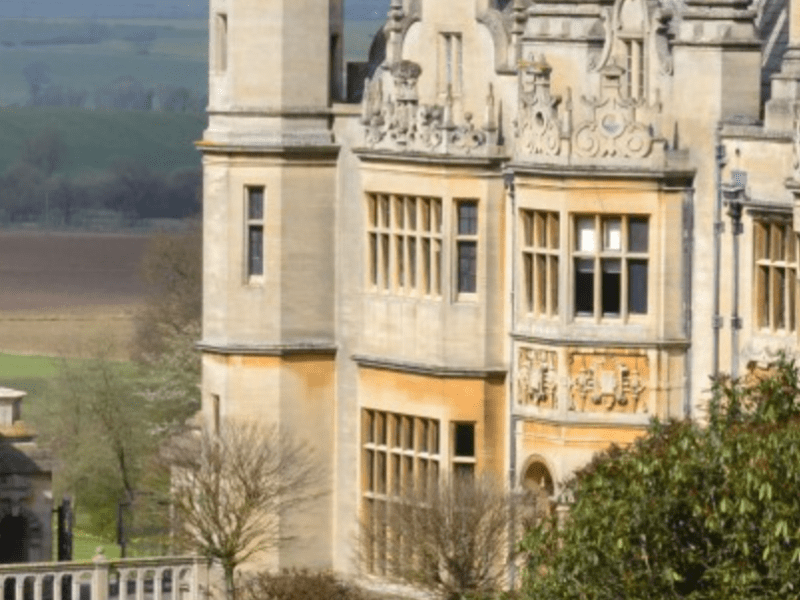
In the mid-twentieth century Harlaxton Manor – built to rival Belvoir Castle – was in the care of Jesuits, who reported many supernatural events, resulting in a well-publicised exorcism. Perhaps the most unnerving ghost story at Harlaxton concerns the alleged ghost of a woman with a baby…
Grantham Railway Disaster
In 1906, the night-mail to Edinburgh steamed at full speed through Grantham station, where it had been expected to stop, and derailed at a bend and junction a few hundred yards farther north, killing everyone on board.
The Witches of Belvoir
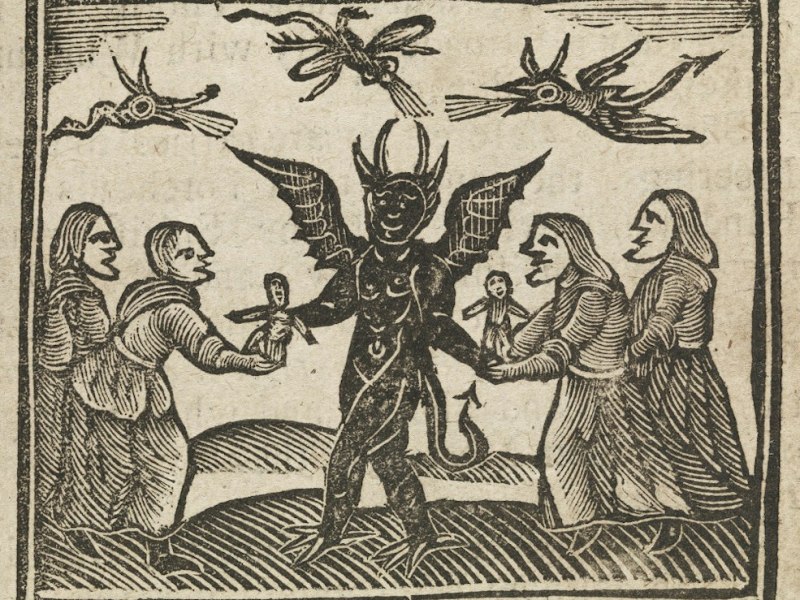
Lincolnshire’s most famous example of a witch trial, and one of the most widely discussed and embellished in the early seventeenth century. The ‘witches’ were Joan Flower and her daughters, Margaret and Philippa, servants to the Earl and Countess of Rutland. They were accused of killing two young brothers, Henry and Francis Manners, who were…
Nanny Rutt
This tale is associated with Nanny Rutt’s Well, an artesian spring (not marked on OS maps) in Math Wood, near Bourne, in which a girl enters the wood to meet her lover and is murdered by an old woman whose face is covered by a shawl.
The Parasitic Serpent
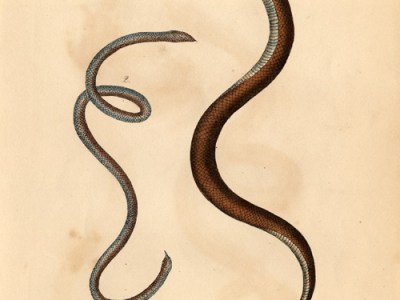
The tale of a woman from the parish of Wildmore (the biggest settlement within which is New York), who had a snake inside her, and eventually died as a result. Attempts were made to lure it out by having her lean over a bowl of milk, with a noose close to her mouth…
The Lincoln Imp
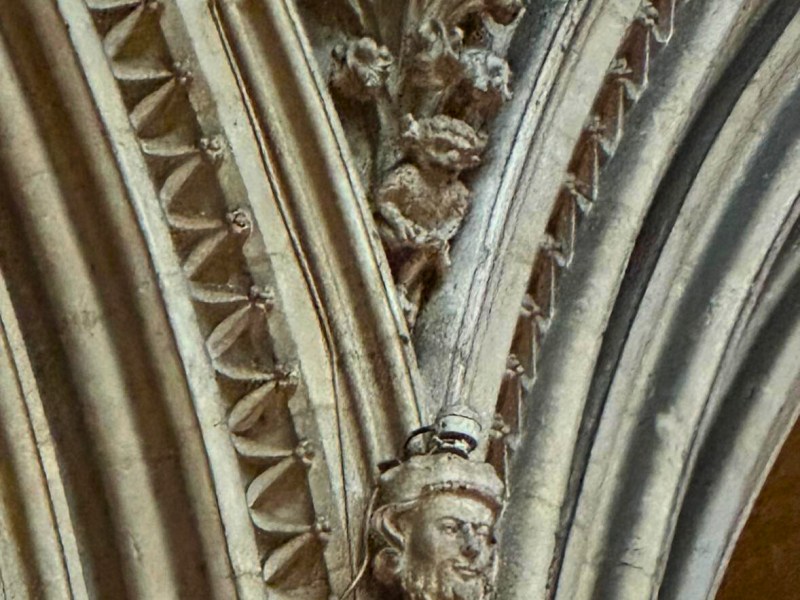
The Lincoln Imp is a tiny thirteenth-century cross-legged grotesque above the Angel Choir and the tomb of St Hugh in Lincoln Cathedral, overlooking the altar. And, perhaps, the most famous bit of stonework in the county by some distance.
Black Dog (also Black Shuck or Hairy Jack)
In most traditions, phantom dogs are usually sinister or malevolent, or even portents of impending death; in many Lincolnshire stories about them, however, they are harmless or even companionable…
-
The Holbeach Gamesters
The tale of three men who were playing cards in the Chequers Inn, Holbeach (which closed a few years ago), and talking about a friend who had recently died, so they decided to dig him up and play cards with him in the church. This really happened…
Fan o’ the Fens
A beautiful young woman from near Louth, called Fanny and known as Fan o’ the Fens, lives with her widowed mother, who complains that a magpie keeps following her and repeating what she says. She consults the wiseman of Louth, who says the mother has been bewitched…
Shag Foals: the Lackey Causey Calf
Susanna O’Neill writes about the Lackey Causey Calf, which tried to lure people into a stream between Wrawby and Brigg with the lights of its eyes. In some versions of the narrative, however, it does so while also being headless.
The Lincolnshire Poacher
In Folklore of Lincolnshire (2013), Susanna O’Neill notes that the song is ‘akin to the National Anthem for Lincolnshire’. It has given its name to several pubs in the county (and another in Nottingham)…
The Ungrateful Sons
Mr Lacy leaves all his possessions to his three sons, on condition that they each take care of him, for one week at a time. The sons, thus rewarded, regard caring for their father as an unfortunate chore and mistreat him, so the old man goes to see a friend who was a lawyer…
Old Jeffrey
One of England’s most famous poltergeists, and inspiration for many subsequent ghost stories. The poltergeist was reported to haunt Epworth Rectory, the childhood home of John and Charles Wesley (subsequently the founders of Methodism), for three months between 1716 and 1717…
Tom Hickathrift
Legendary giant-killer, large and with superhuman strength but not himself a giant. He is comparable to the eponymous hero of the Cornish fairy tale ‘Jack the Giant Killer’, and possibly originates from the Norse god Thor…
Grim & Boundel
In the times before the Vikings first came to Lindsey, and during a period of drought, a big sea captain known as Little Grim heard about two magic stones in the possession of the Danish king that, when hit with sticks of hazel, would make rain fall…
The Jenny Hurn Boggart
This bend in the River Trent, south of Owston Ferry and once locally known as Jenny Hurn, is said to be frequented by ‘a pygmy being, man-like, with long hair and the face of a seal’, that occasionally crosses the river east to west, ‘in a small craft resembling a large pie-dish’…
The Pottle o’ Brains
A foolish lad tells his mother he would like to buy a pottle of brains because he is tired of being stupid, and she gives him permission to see the wisewoman of the village. The wisewoman asks him to bring the heart of what he loves best, and he decides…
-
Slash Hollow Boulder
A boulder near Winceby, on the site of the Battle of Winceby (1643) – in which Oliver Cromwell was almost killed but eventually proved triumphant – is said to mark the location of buried treasure, but whoever tries to move the rock is destined to fail.
Yallery Brown
A feckless farm labourer, Tom, is walking to the farm when he hears what he thinks is the cry of a baby. He discovers Yallery Brown, pinned down by a big flat rock. Tom removes the rock, and Yallery offers to do him a favour in return, but demands never to be thanked. The lad…
The Fonaby Sack Stone
In one legend associated with this stack of rocks that apparently used to be one large boulder shaped like a sack, the seventh-century Roman missionary St Paulinus rides through this area and sees a farmer sowing corn. He asks whether he might have some for his ailing ass, but the farmer refuses…
Crowland Abbey & the Devil
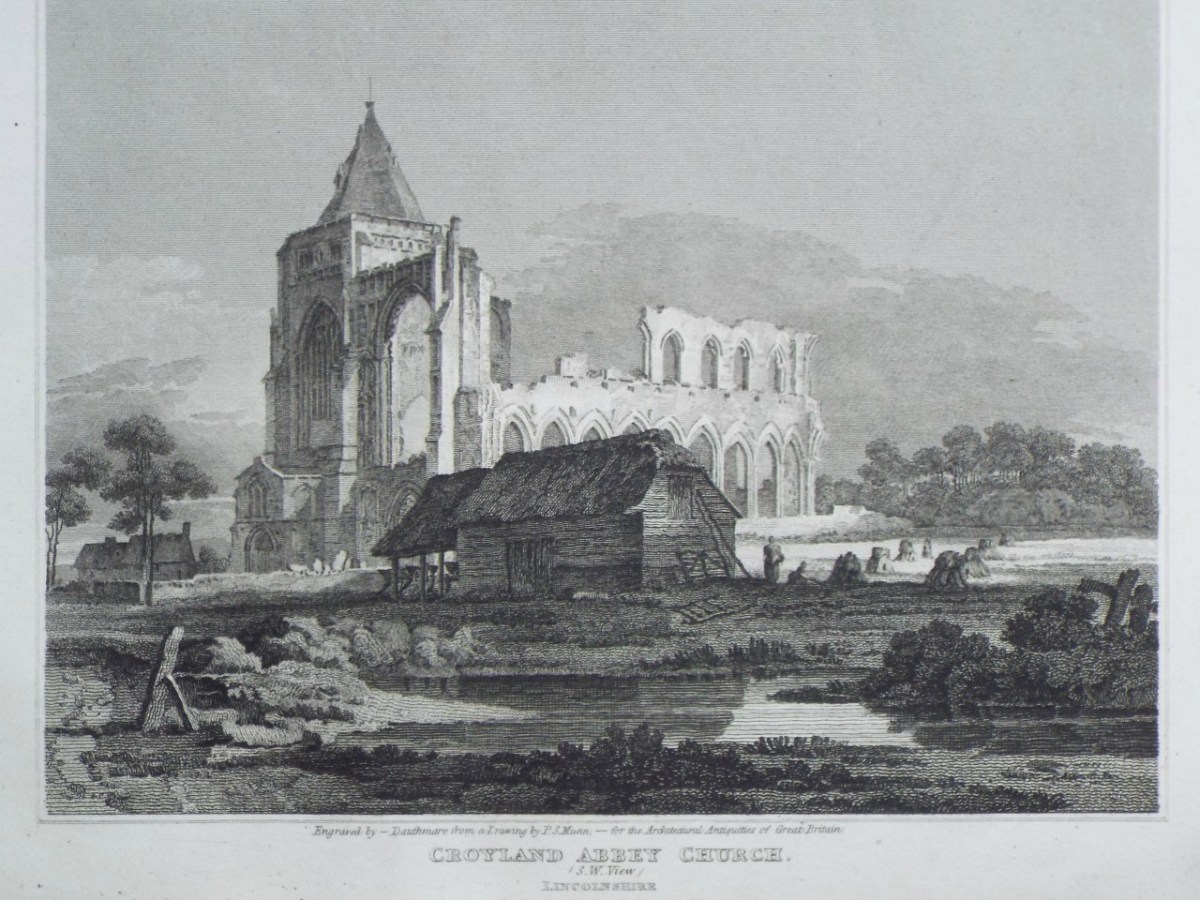
It was 869, and the monks of Crowland Abbey – then on an island in the Fens – had allegedly taken to debauchery and blasphemy, despite the protestations of Abbot Theodore. Suddenly, the walls shook…
The Melton Ross Gallows
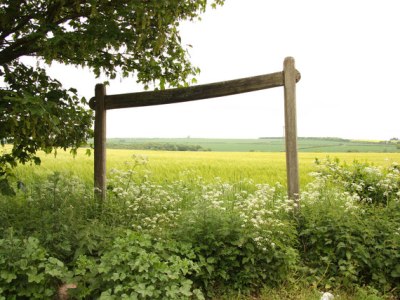
The remains of a (fairly modern) gallows, which looked like an unpainted and overly square football goal, was visible just North-west of Barnetby le Wold, in layby on junction of Coskills and A18, until 2020, when they mysteriously disappeared…
Hereward the Wake
Hereward the Wake was an Anglo-Saxon nobleman who resisted Norman conquest in and around the Fens from his base on the Isle of Ely, and who is believed to have been born in or close to Bourne. The epithet ‘The Wake’…
The Tetford Witch
Tales exist concerning a witch who lived close to Tetford church, in a cottage with a small hole in it, through which she was allegedly seen to pass in the form of a hare – once commonly-believed to be a regular form of disguise for witches.
King Cnut & the Trent Aegir
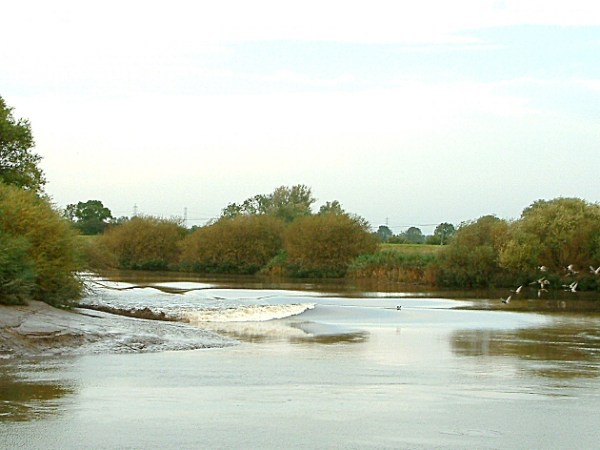
The Trent Aegir is a tidal bore on the River Trent, perhaps named for the Ægir, a personification of the ocean in Norse mythology. It tends to run out of steam just south of Gainsborough. The town was briefly the capital of Viking England…
The Green Lady
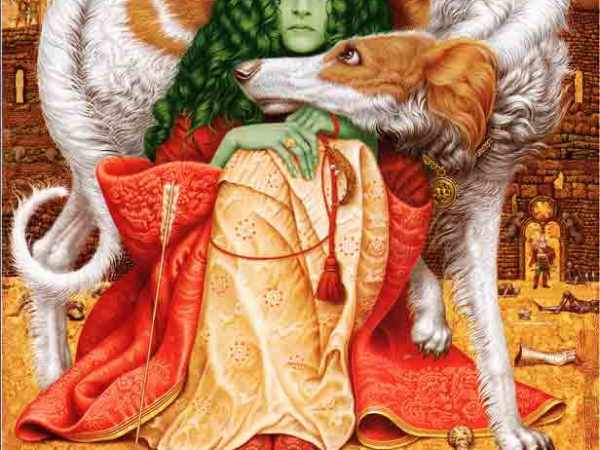
According to the legend, Bolle was duty-bound to protect Oviedo, who had been taken prisoner during Sir Walter Raleigh’s 1596 raid on Cadiz, and they fell in love. She apparently pleaded with Bolle to take her back to England and marry her, and eventually he confessed that he was married already, so must refuse…
The Great Bell of Burgh
Inhabitants of Burgh le Marsh used to light a beacon to lure ships, hoping they would assume it marked the shore, would founder, and could then be pillaged. However, in 1629, as the Mary Rose rounded the shore, there was a significant storm, so the people decided instead…







Leave a comment