

‘Lincolnshire Folk Tales: Origins, Legacies, Connections, Futures’ is a project that was funded by the Arts and Humanities Research Council (February 2024 to July 2025, inclusive), and led by Dr Rory Waterman with support from the Research Fellow Dr Anna Milon in the School of Arts and Humanities at Nottingham Trent University.
The Lincolnshire Folk Tales Project was dedicated to preserving, sharing, and promoting the rich but often overlooked oral storytelling tradition of Lincolnshire, in the East Midlands of England, and its legacy in written and recorded literature. The project focused on collecting, recording, presenting, reinterpreting and discussing folk tales, legends, and myths that have been passed down through generations in the region.
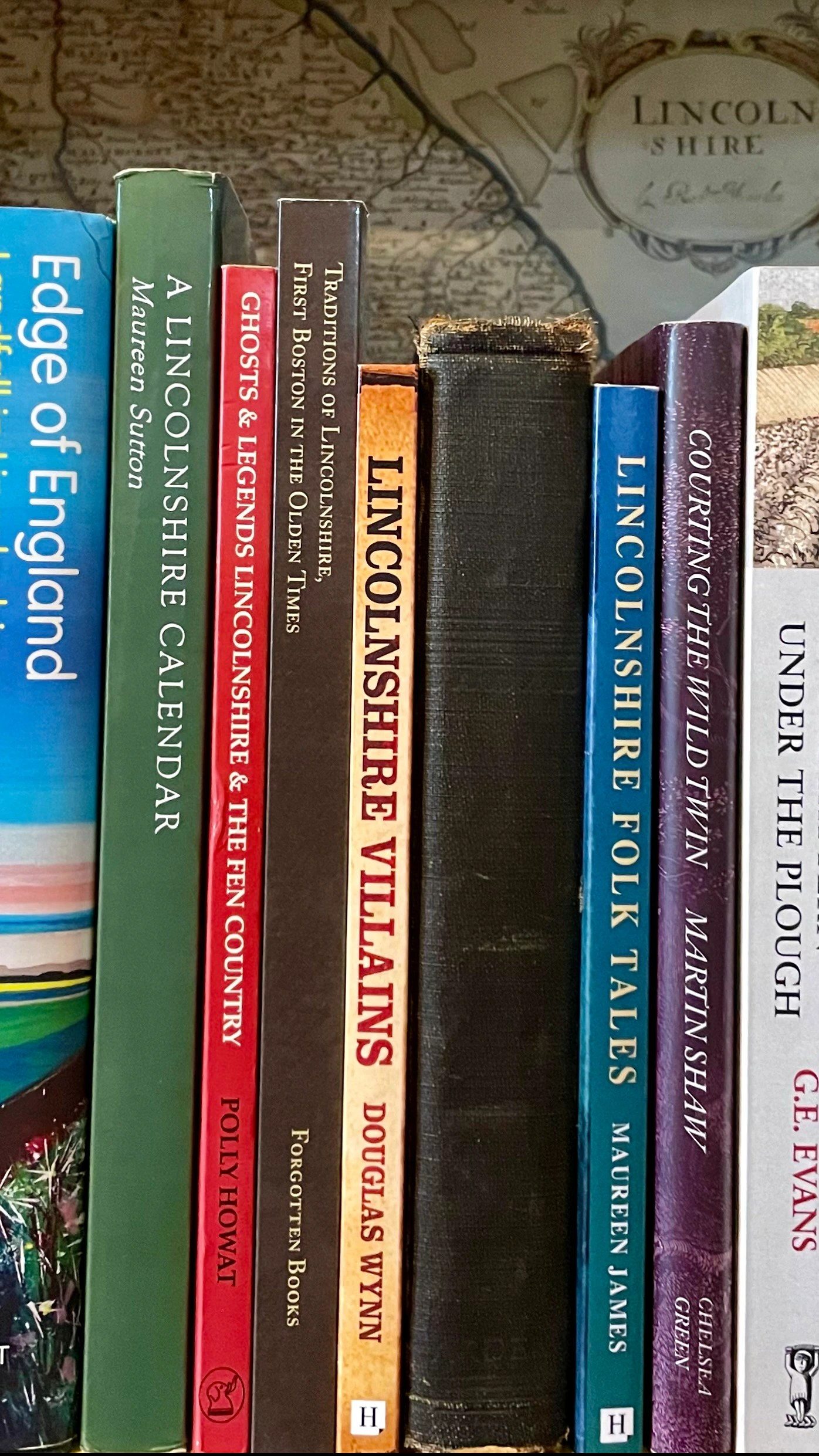
What we did (and what the project still does)
The funded period of the project involved collaborative partnerships with Heritage Lincolnshire, Adverse Camber, Five Leaves Publications, Lincolnshire Life, and the University of Lincoln.
The project has the following five research questions at its core:
- How can we best explore and analyse Lincolnshire folk tales as responses to the cultural and historical circumstances that engendered them, trace those lineages, and contextualise them intertextually to explore their relationships to wider literatures? More broadly, how do folk tales respond to the specific cultural and social circumstances that engendered them?
- What might ‘lost’ folk tales contribute to wider literary understanding and creative endeavour, once restored to the canons of both literary research and artistic practice?
- How can writing, reading, discussing and (re)interpreting Lincolnshire folk tales make positive interventions for a wider public, i.e., in terms of representing or tackling contemporary lives and modern society?
- How can contemporary writers and poets respond to current social concerns and modern living through the reinterpretation of regionally-derived folk narratives, and in ways received as culturally and artistically significant?
- How have migrations into Lincolnshire – both national and international – augmented folk tale traditions in Lincolnshire, and how might they do so?
- How can we further develop structures and networks that enable folk tales to be (re)interpreted, developed, performed, and shared?
The Lincolnshire Folk Tales Project is not only interested in preservation, but also in celebrating the continuing relevance of folk tales in modern times, offering a way for people to connect with our cultural heritage. Principally:
- The project gathers folk tales from local communities, reflecting the culture, history, and landscape of the county. Many of these stories have been shared verbally for centuries, though others have almost been lost. The project aims to preserve them.
- The project also involves community engagement through events such as storytelling performances and workshops, bringing the stories to life and encouraging their ongoing development.
- It also includes collaborations with schools, libraries, and local groups to ensure that people of all ages can access and enjoy these tales, and we work closely with local historians, folklorists, and professional storytellers.
- Stories, and information about them, are digitally archived, making them accessible online via this website’s folk tale map.
- We also write and edit publications regarding folk tales, and including literature inspired by folk tales.
Who we are
Rory Waterman
Rory leads the Lincolnshire Folk Tales project (funded 2/2024-7/2025), and is Professor of Creative Writing and Modern Literature at Nottingham Trent University. He is a prominent press critic and commentator, the author of four collections of poetry published by Carcanet Press and three critical monographs, has edited several anthologies, and founded and co-edits the poetry publisher New Walk Editions. At NTU, he lectures on the BA Creative Writing, BA English, MA Creative Writing, and MRes in English Literary Research, and supervises PhD students working in and on modern and contemporary literature and/or creative writing. He grew up in North Kesteven. His author website is here.


Anna Milon
Dr Milon was a postdoctoral research fellow on the project 2/2024-7/2025, having previously obtained her PhD from the University of Exeter. Before joining this project, she participated in a range of public outreach events, notably loaning items and developing a series of seminars for the ‘Fantasy: Realms of Imagination’ exhibition at the British Library. She occasionally teaches Myths & Legends of the British Isles and the History of British Witchcraft & Magic at Advanced Studies in England, a study abroad programme based in Bath. Her favourite Lincolnshire folk tale is ‘The Dead Moon’.
Our partners
This project was funded and supported by the Arts and Humanities Research Council and Nottingham Trent University. You can find more information about these and other partner organisations we worked with here.
Though the project has ended, Rory remains available to contact regarding Lincolnshire folk tales or any of his other research interests. See here for contact details, or use the contact form on this website. Anna is on social media, generally under the username ‘hexnhart’.

 Lincolnshire Folk Tales Project