

-
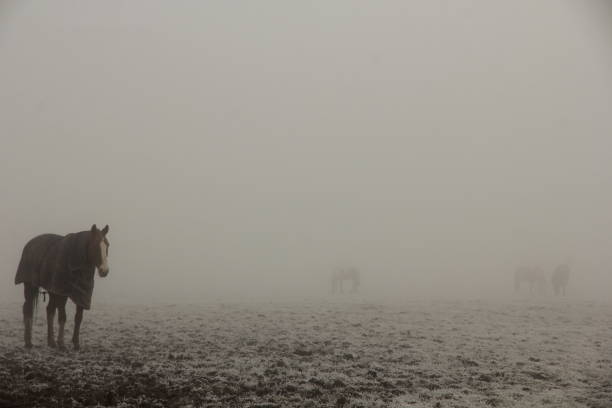
Gibraltar Point Fog Horse
Legend has it that a farmer on his way to Skegness Market tried to take his horse on a shortcut along the beach at Gibraltar Point. The day was foggy, the farmer lost his way in the mist and drowned in the rising tide…
-
A Personal Perspective on Lincolnshire Folklore
Recently I had the pleasure of talking to a friend of mine called Rob, a Lincolnshire local who grew up and still lives in North Hykeham. Having spent the last couple of months planning events and researching in archives, I was interested in a more personal perspective on Lincolnshire folklore…
-
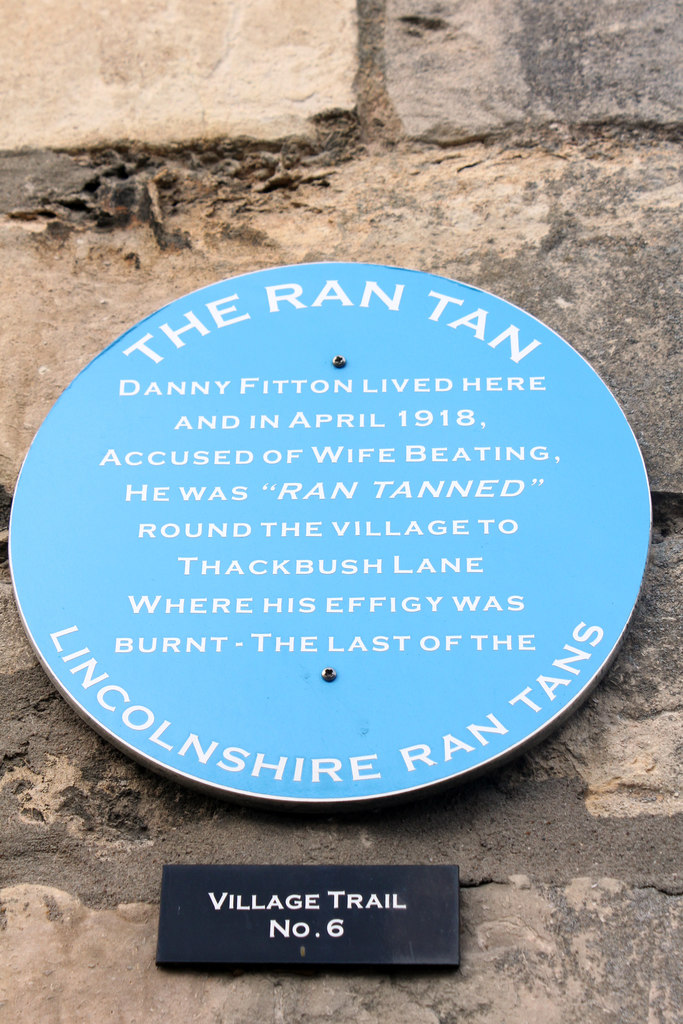
Rantanning
Ran-tan-ning or Ran-tan-tan, an onomatopoeically named custom of delivering folk justice to disproportionately violent members of a community (here, a domestic abuser). Ethel Rudkin records it Holton-le-Clay, Langwith and Willoughton, and the process goes something like this…
-
Gibbery Gap
At Micklow Hill (Michael-low-hill), near the North Lincolnshire village of Kirmington, a battle took place during the English Civil Wars, between the forces of Parliament and those of the King. One Royalist soldier, who had been disembowelled, tried to reach Kirmington. He went through a hedge-gap and crossed Caistor Lane (now Caistor Road). But he…
-
Th’ Lad ‘at Wantid to Larn to Shuther an’ Shak
The tale is reset into a local milieu, and is one of the most entertaining things I’ve read in a long time. It’s rendered quite down-to-earth, despite the fantastic elements: the hero isn’t stupid like in the original; the apparitions and boggards he encounters have a local air about them
-

Tatterfoal
‘Eliza Gutch and Mabel Peacock (1908) mention this ghostly and troublesome horse, and refer to a passage in Pishey Thompson’s History & Antiquities of Boston (1856) where he assigns one such boggard to Spittal Hill in Frieston…

