

-
Gibbery Gap
At Micklow Hill (Michael-low-hill), near the North Lincolnshire village of Kirmington, a battle took place during the English Civil Wars, between the forces of Parliament and those of the King. One Royalist soldier, who had been disembowelled, tried to reach Kirmington. He went through a hedge-gap and crossed Caistor Lane (now Caistor Road). But he…
-
Th’ Lad ‘at Wantid to Larn to Shuther an’ Shak
The tale is reset into a local milieu, and is one of the most entertaining things I’ve read in a long time. It’s rendered quite down-to-earth, despite the fantastic elements: the hero isn’t stupid like in the original; the apparitions and boggards he encounters have a local air about them
-

Tatterfoal
‘Eliza Gutch and Mabel Peacock (1908) mention this ghostly and troublesome horse, and refer to a passage in Pishey Thompson’s History & Antiquities of Boston (1856) where he assigns one such boggard to Spittal Hill in Frieston…
-
The Gaps in History where the Stories Grow
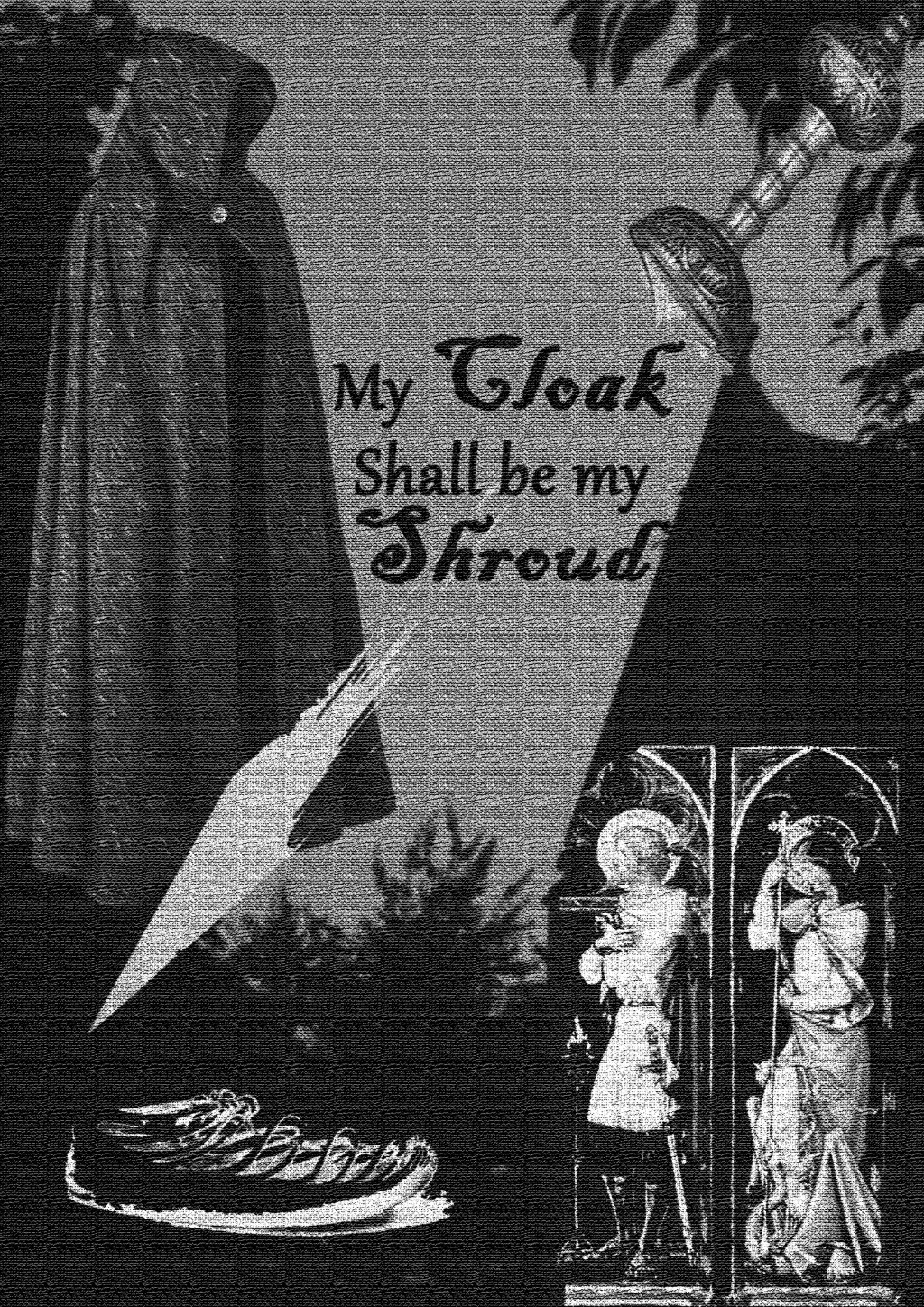
“What’s the one landscape you would want to avoid after dark?” Virginia Crow weaves a compelling hypothesis about the origins and fate of the Amcotts Moor Woman, a bog body discovered in 1747 and shrouded in mystery to this day…
-

Horkstow Grange
One of the best known folk songs with a Lincolnshire setting. Horkstow Grange is south of Horkstow. The song concerns a fight between a farm bailiff and a worker John Span, alias Steeleye, from which the band took its name – though they didn’t record a version of it until 1998.
-

Brinkhill Gold
An unexpected discovery in Brinkhill, East Lindsey in the early 17th century led to the Tudor Gold Rush. Or rather, an interest in prospecting that seemed not to spill beyond the local region, but quickly became mythologised…
 Lincolnshire Folk Tales Project