

Lincolnshire Folk Tales Project
A project exploring the origins, legacies, connections and futures of folk tales in Lincolnshire, funded by the Arts and Humanities Research Council (2/2024-7/2025) and hosted at Nottingham Trent University.
Our books:
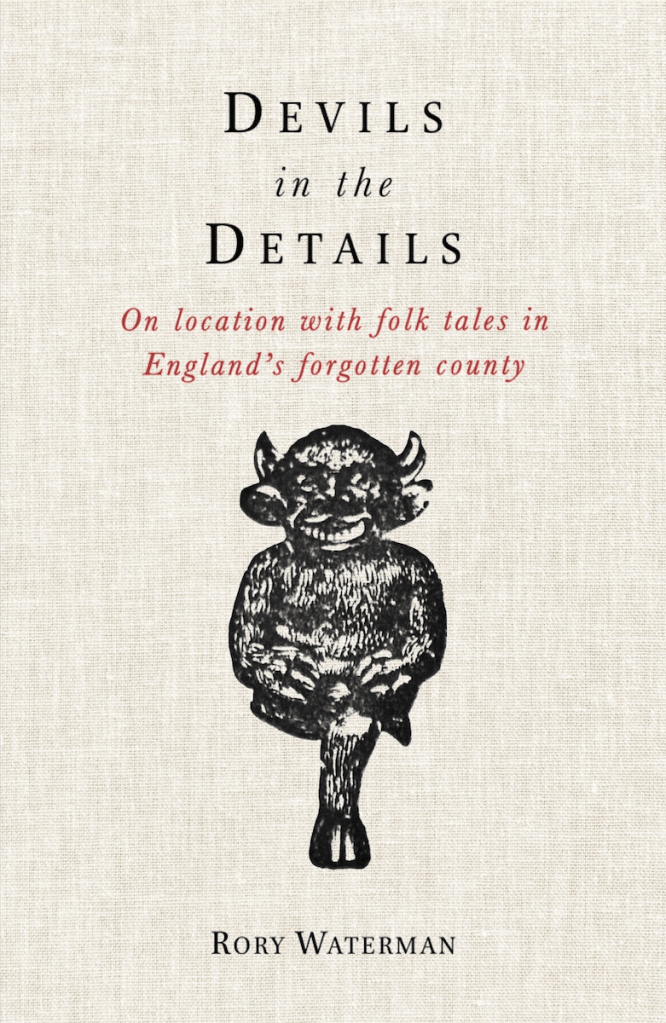
Rory Waterman, Devils in the Details: On Location with Folk Tales in England’s Forgotten County (Five Leaves, 2026), exploring folk tales across Lincolnshire, and the places associated with them.
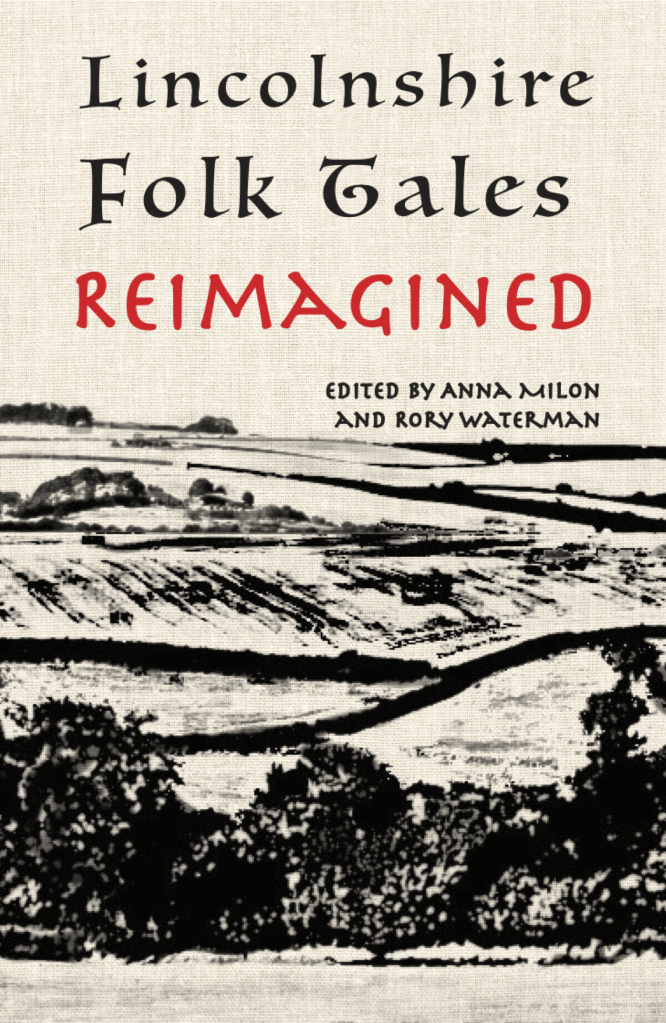
Anna Milon and Rory Waterman (eds), Lincolnshire Folk Tales Reimagined (Five Leaves, 2025), featuring fourteen of Lincolnshire’s finest writers reimagining local folk tales.
● news
-
STEVE LOWE Steve Lowe’s debut psychological horror short story, set in the heart of Lincoln, is The Seam Remains, and is available now on his Amazon Author Page. In this blog post, he discusses his fascination with Lincoln and its history and mythology, and discusses his writing processes. If you’d…
● Latest Articles
-
Brigg Fair
This is a famous folk song, first collected in 1908 by Australian folk song collector and composer Percy Grainger. Grainger recorded Lincolnshire folk singer Joseph…
-

Fred the Fool
A wayward lad called Fred Baddeley, who is thin yet greedy, gets a job at a farm on the other side of the Wolds: the…
-
Sir Hugh Bardolph & the Dragon
The legend of Sir Hugh Bardolph, set in the twelfth century, recounts the slaying of a man-eating dragon with one-eye (perhaps unique in British folklore)…
-
The Serpent Slain at Walmsgate
A tradition, which probably took its rise at an early period, tells of a huge serpent that devastated the village of South Ormsby and was…
● About the project
‘Lincolnshire Folk Tales: Origins, Legacies, Connections, Futures’ is a project funded by the Arts and Humanities Research Council (grant number AH/Y003225/1), and is led by Dr Rory Waterman and the Research Fellow Dr Anna Milon in the School of Arts and Humanities at Nottingham Trent University. The project explores the origins, legacies, intertextual and social connections and futures of Lincolnshire folk tales (LFTs), and is intended to facilitate wider engagement with this heritage from writers, the general public, and scholars.
 Lincolnshire Folk Tales Project