

Lincolnshire Folk Tales Project
A project exploring the origins, legacies, connections and futures of folk tales in Lincolnshire, funded by the Arts and Humanities Research Council (2/2024-7/2025) and hosted at Nottingham Trent University.
Our books:
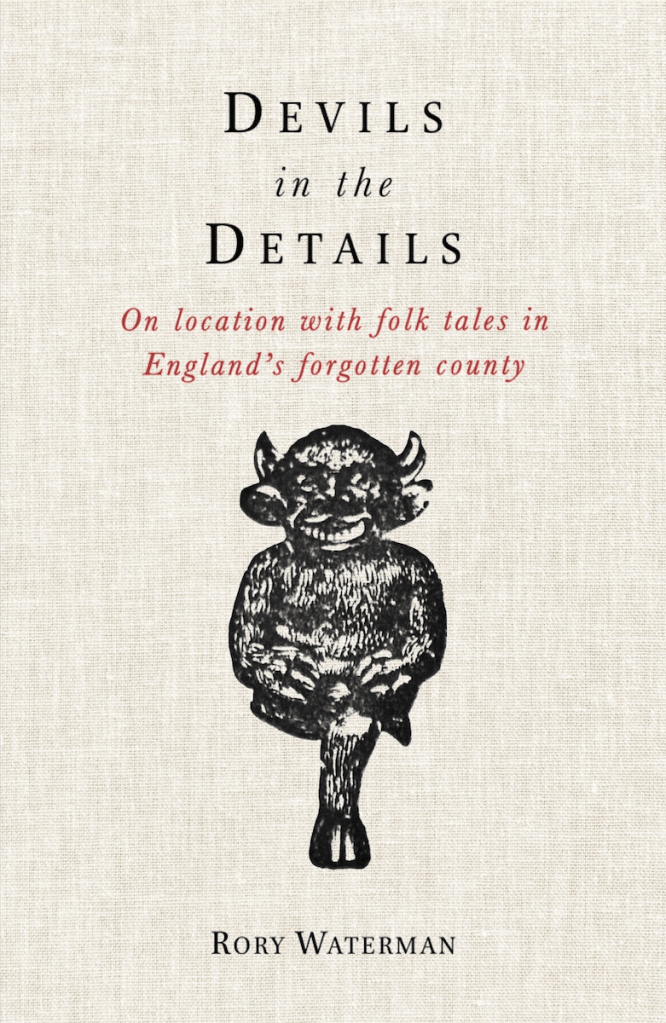
Rory Waterman, Devils in the Details: On Location with Folk Tales in England’s Forgotten County (Five Leaves, 2026), exploring folk tales across Lincolnshire, and the places associated with them.
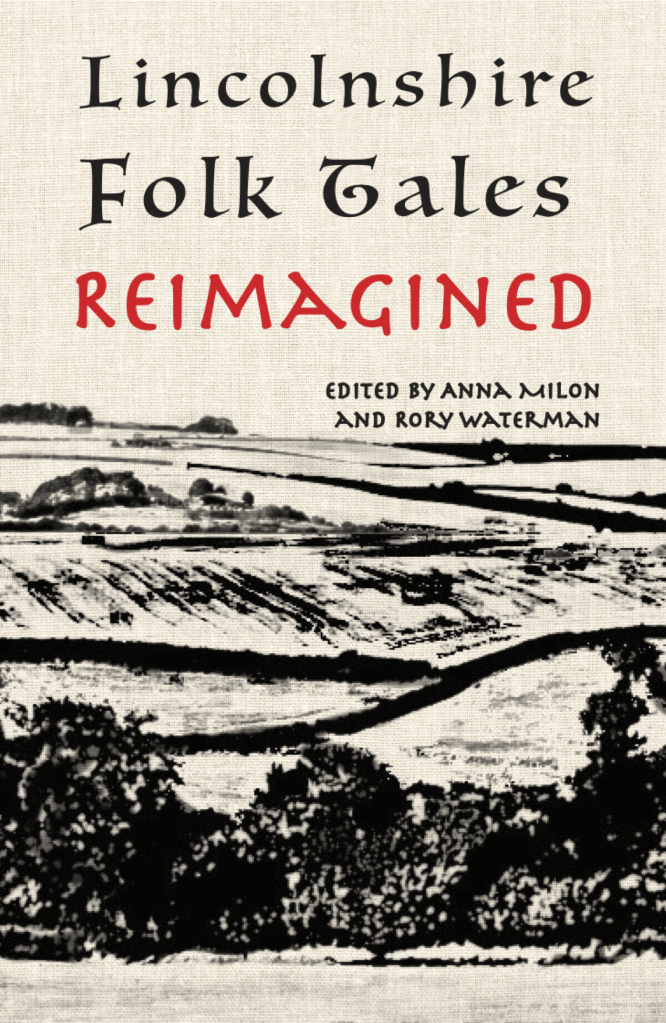
Anna Milon and Rory Waterman (eds), Lincolnshire Folk Tales Reimagined (Five Leaves, 2025), featuring fourteen of Lincolnshire’s finest writers reimagining local folk tales.
● news
-
STEVE LOWE Steve Lowe’s debut psychological horror short story, set in the heart of Lincoln, is The Seam Remains, and is available now on his Amazon Author Page. In this blog post, he discusses his fascination with Lincoln and its history and mythology, and discusses his writing processes. If you’d…
● Latest Articles
-
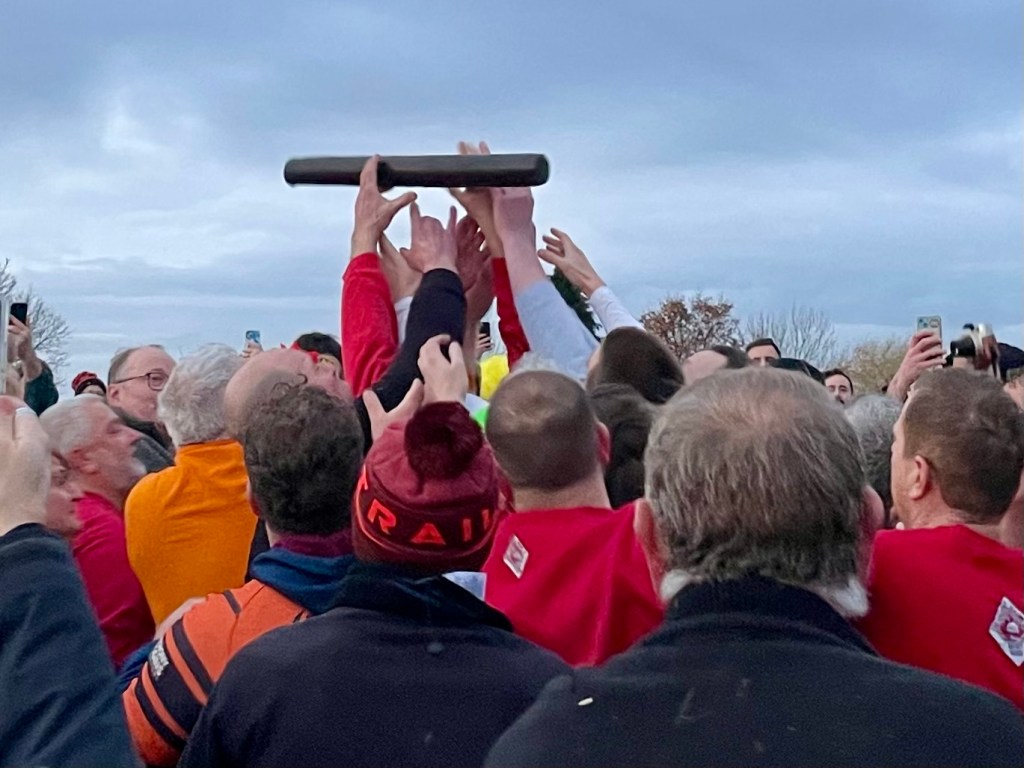
The Haxey Hood
The Haxey Hood is a game, played annually on the twelfth day of Christmas. It involves a ‘lord’, a ‘fool’, eleven ‘boggins’ including a ‘chief…
-
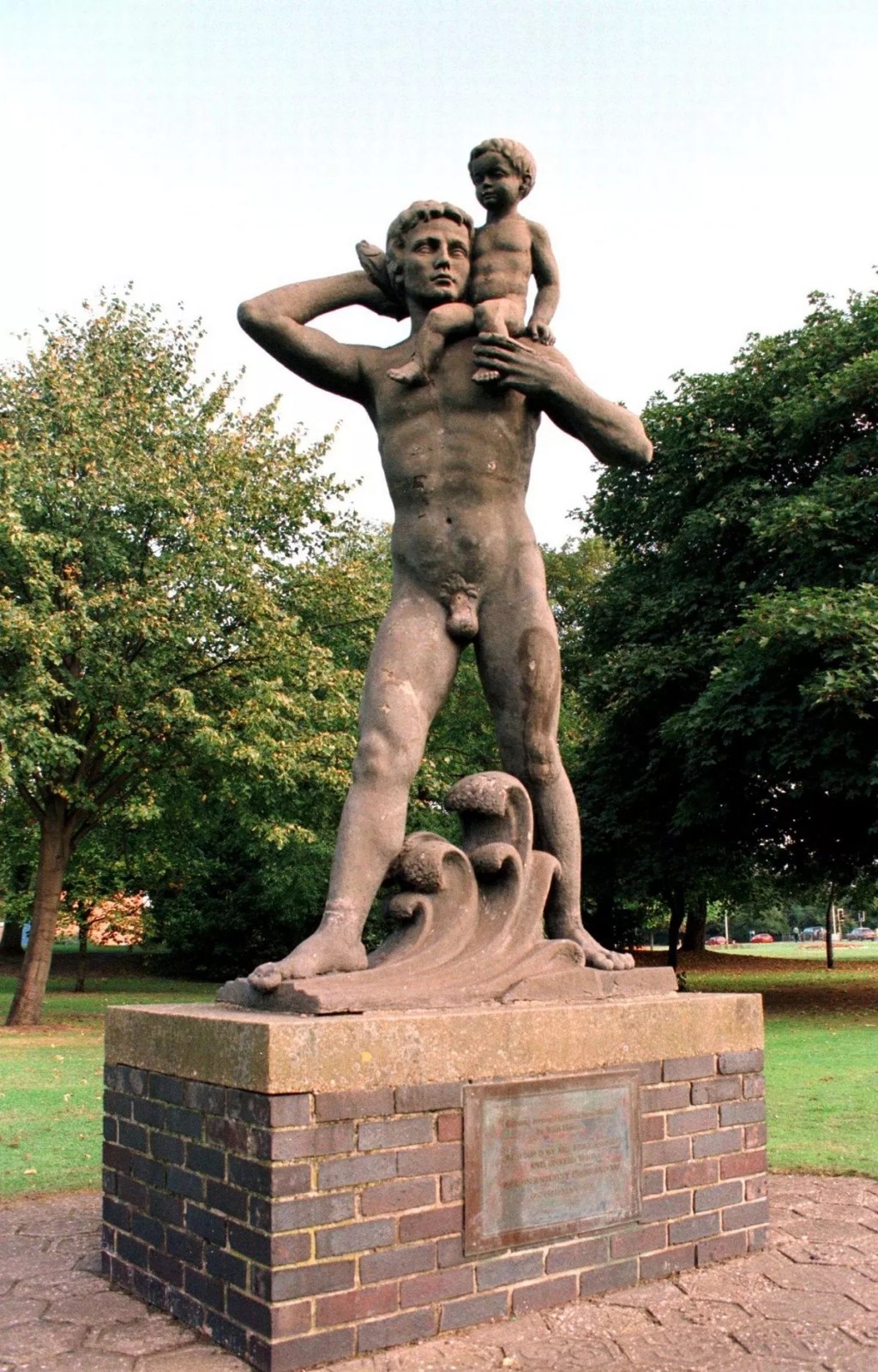
Havelok and Grim
The name Grimsby comes from the Old Norse male name Grímr, and the suffix ‘by’, which denotes a settlement. That is all we know for…
-
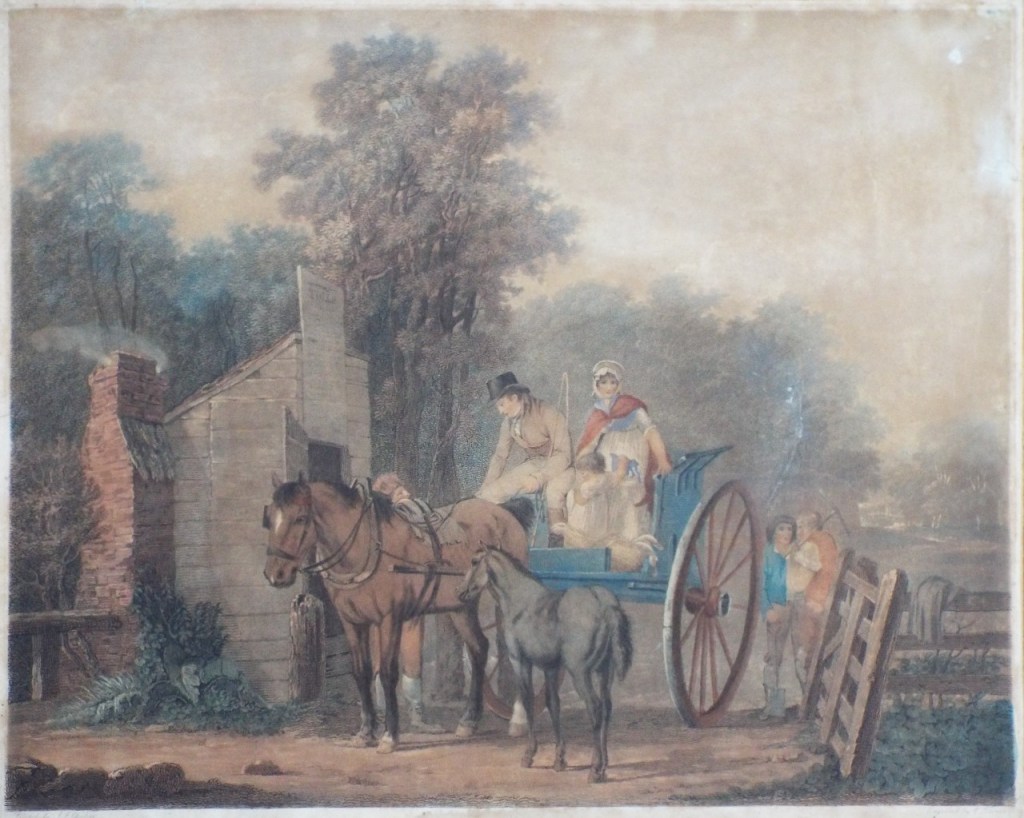
Avoiding the Toll
Johnny o’ the Grass was a wiseman from Louth, and allegedly got his powers by making a deal with the Devil. An old tale informs…
-
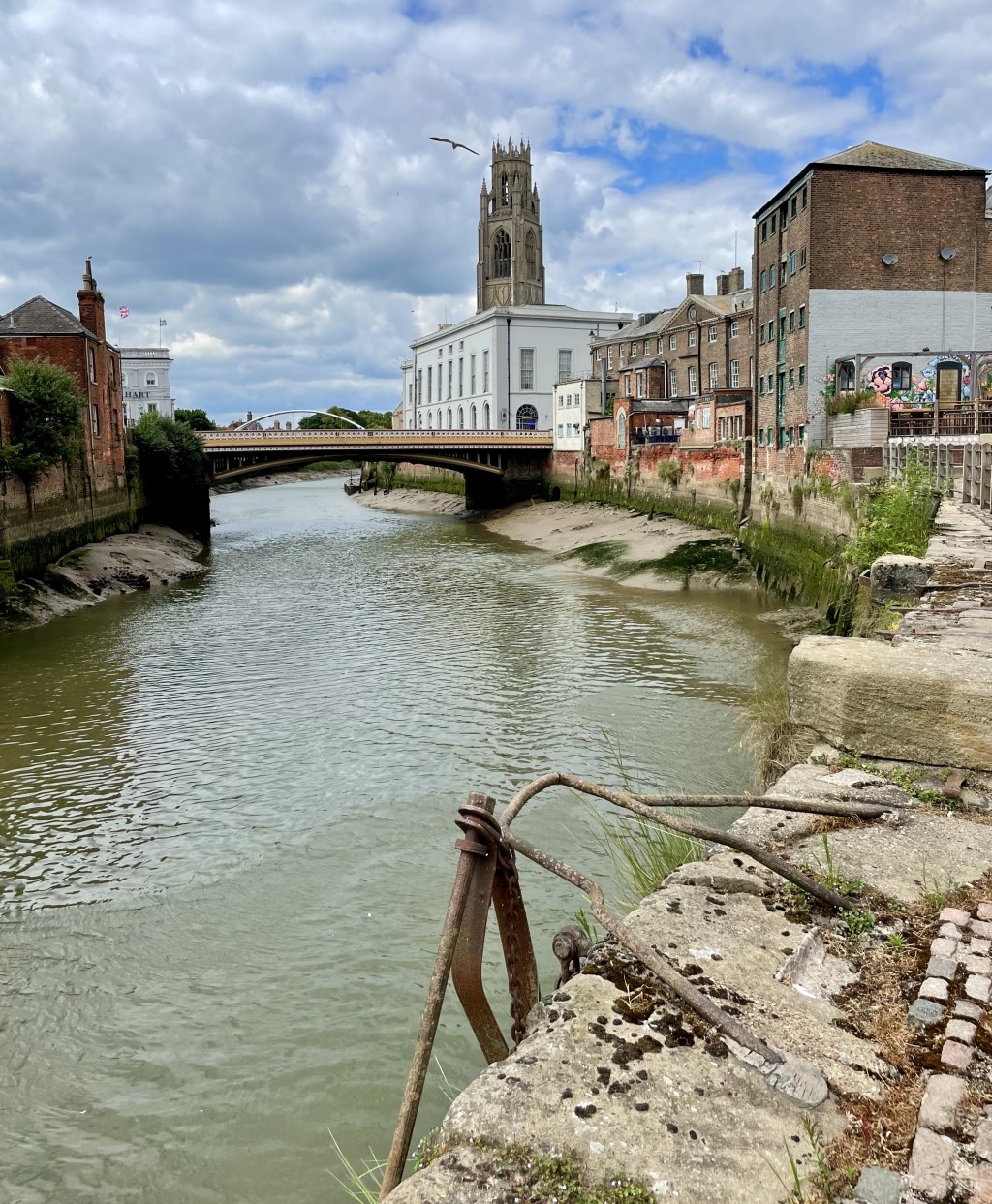
St Botolph & the Devil
It is often windy around St Botolph’s Church, commonly referred to as the Boston Stump. This wind is often particularly strong on the footpath by…
● About the project
‘Lincolnshire Folk Tales: Origins, Legacies, Connections, Futures’ is a project funded by the Arts and Humanities Research Council (grant number AH/Y003225/1), and is led by Dr Rory Waterman and the Research Fellow Dr Anna Milon in the School of Arts and Humanities at Nottingham Trent University. The project explores the origins, legacies, intertextual and social connections and futures of Lincolnshire folk tales (LFTs), and is intended to facilitate wider engagement with this heritage from writers, the general public, and scholars.
 Lincolnshire Folk Tales Project