

Lincolnshire Folk Tales Project
A project exploring the origins, legacies, connections and futures of folk tales in Lincolnshire, funded by the Arts and Humanities Research Council (2/2024-7/2025) and hosted at Nottingham Trent University.
Our books:
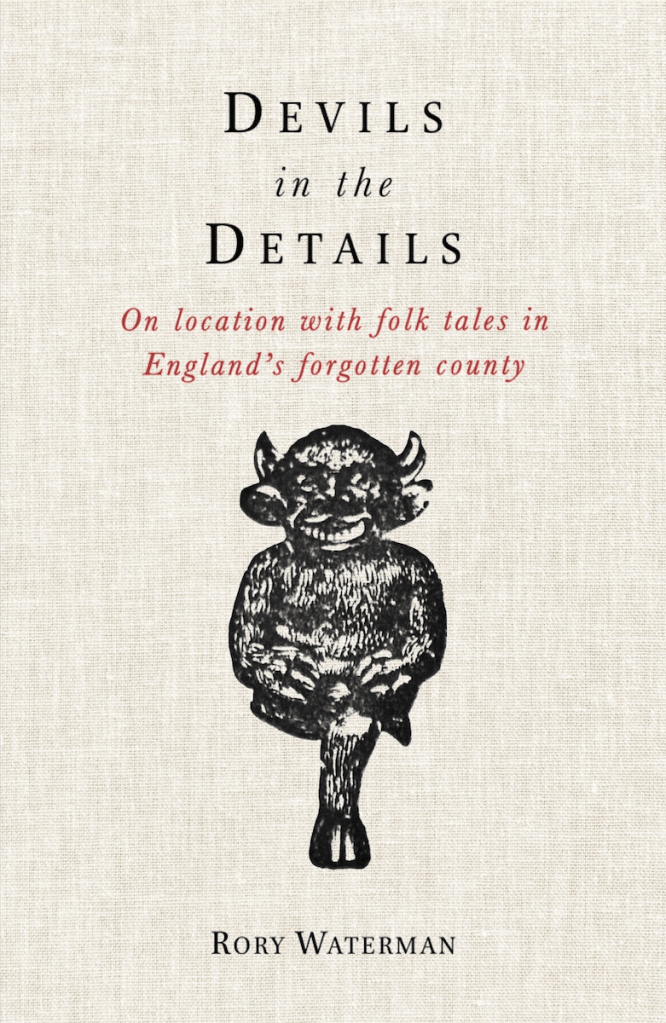
Rory Waterman, Devils in the Details: On Location with Folk Tales in England’s Forgotten County (Five Leaves, 2026), exploring folk tales across Lincolnshire, and the places associated with them.
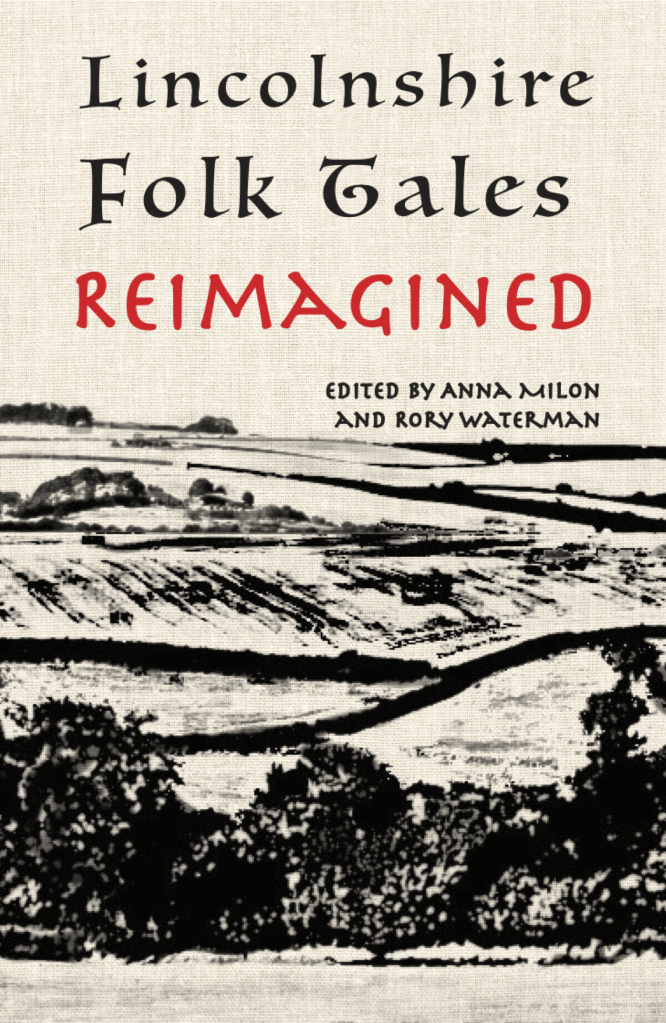
Anna Milon and Rory Waterman (eds), Lincolnshire Folk Tales Reimagined (Five Leaves, 2025), featuring fourteen of Lincolnshire’s finest writers reimagining local folk tales.
● news
-
STEVE LOWE Steve Lowe’s debut psychological horror short story, set in the heart of Lincoln, is The Seam Remains, and is available now on his Amazon Author Page. In this blog post, he discusses his fascination with Lincoln and its history and mythology, and discusses his writing processes. If you’d…
● Latest Articles
-
The Strangers’ Share
This tale has something in common with ‘Tiddy mun’, which is also discussed on this map. It concerns the strangers, or ‘tiddy people’ – baby-sized…
-
The Lad who Went Looking for Fools
This story tells of a young man called Jack, due to marry a young woman called Polly. One day, he finds mother, father and daughter…
-

The Markby Church Ghost(s)
According to legend, anyone who runs three times round the church anticlockwise and then bangs a nail into the door will see a ghost. We…
-
The Flyin’ Childer
A lad sees a girl washing herself, and offers to marry her if she follows him. She agrees, but says that if he rescinds his…
● About the project
‘Lincolnshire Folk Tales: Origins, Legacies, Connections, Futures’ is a project funded by the Arts and Humanities Research Council (grant number AH/Y003225/1), and is led by Dr Rory Waterman and the Research Fellow Dr Anna Milon in the School of Arts and Humanities at Nottingham Trent University. The project explores the origins, legacies, intertextual and social connections and futures of Lincolnshire folk tales (LFTs), and is intended to facilitate wider engagement with this heritage from writers, the general public, and scholars.
 Lincolnshire Folk Tales Project