

Lincolnshire Folk Tales Project
A project exploring the origins, legacies, connections and futures of folk tales in Lincolnshire, funded by the Arts and Humanities Research Council (2/2024-7/2025) and hosted at Nottingham Trent University.
Our books:
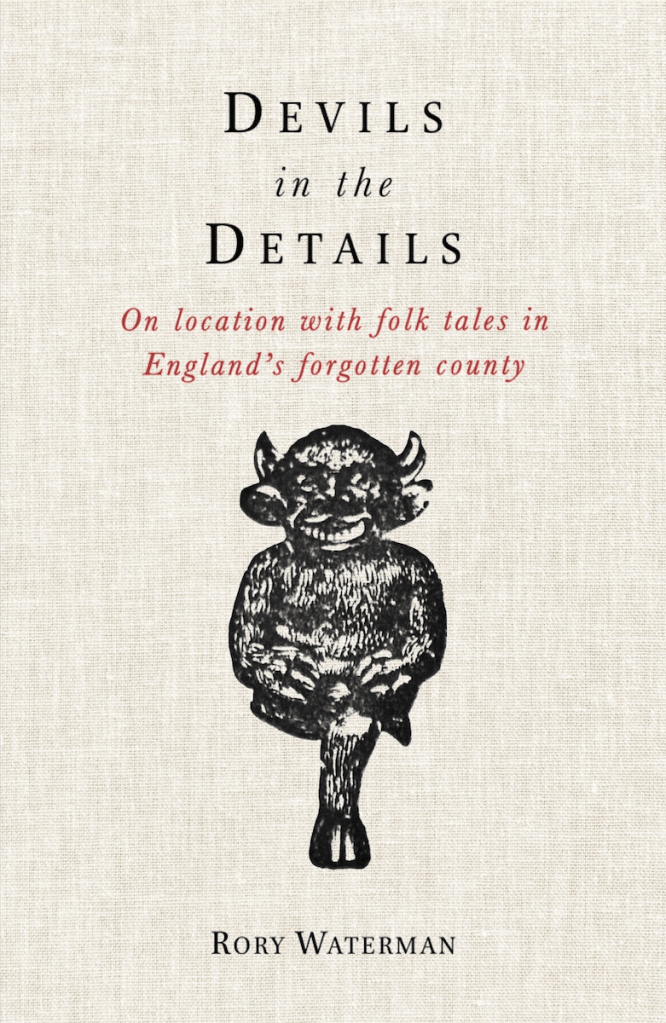
Rory Waterman, Devils in the Details: On Location with Folk Tales in England’s Forgotten County (Five Leaves, 2026), exploring folk tales across Lincolnshire, and the places associated with them.
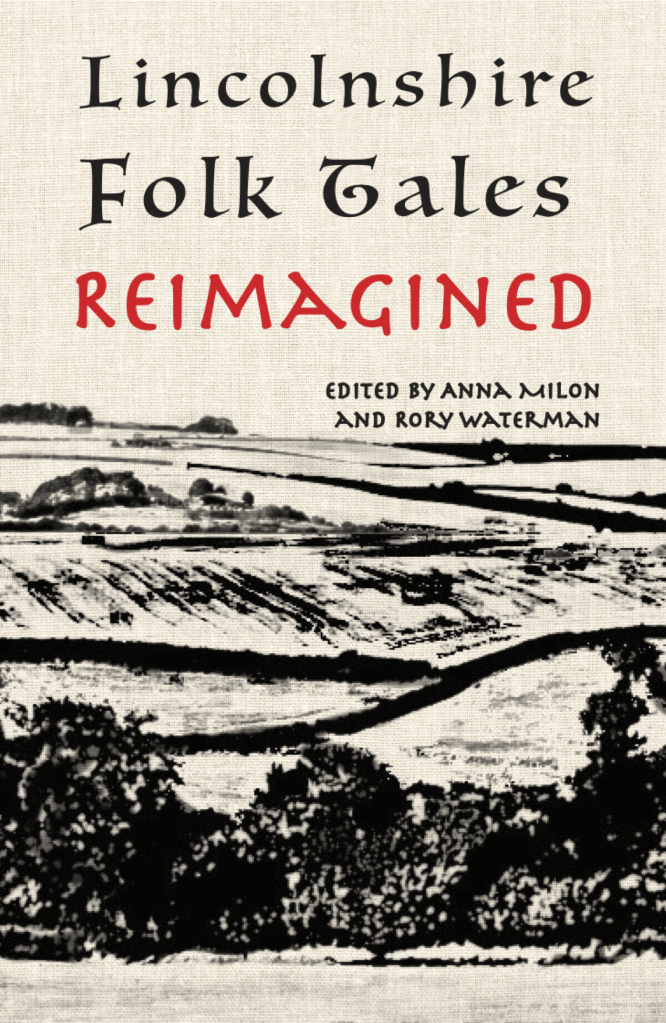
Anna Milon and Rory Waterman (eds), Lincolnshire Folk Tales Reimagined (Five Leaves, 2025), featuring fourteen of Lincolnshire’s finest writers reimagining local folk tales.
● news
-
STEVE LOWE Steve Lowe’s debut psychological horror short story, set in the heart of Lincoln, is The Seam Remains, and is available now on his Amazon Author Page. In this blog post, he discusses his fascination with Lincoln and its history and mythology, and discusses his writing processes. If you’d…
● Latest Articles
-
Shag Foals: the Lackey Causey Calf
Susanna O’Neill writes about the Lackey Causey Calf, which tried to lure people into a stream between Wrawby and Brigg with the lights of its…
-
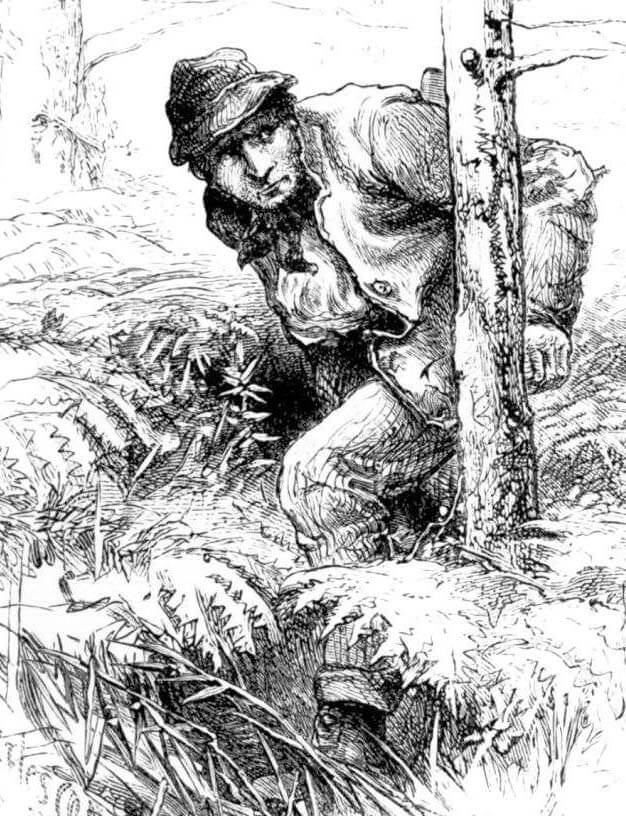
The Lincolnshire Poacher
In Folklore of Lincolnshire (2013), Susanna O’Neill notes that the song is ‘akin to the National Anthem for Lincolnshire’. It has given its name to…
-
The Ungrateful Sons
Mr Lacy leaves all his possessions to his three sons, on condition that they each take care of him, for one week at a time.…
-
Old Jeffrey
One of England’s most famous poltergeists, and inspiration for many subsequent ghost stories. The poltergeist was reported to haunt Epworth Rectory, the childhood home of…
● About the project
‘Lincolnshire Folk Tales: Origins, Legacies, Connections, Futures’ is a project funded by the Arts and Humanities Research Council (grant number AH/Y003225/1), and is led by Dr Rory Waterman and the Research Fellow Dr Anna Milon in the School of Arts and Humanities at Nottingham Trent University. The project explores the origins, legacies, intertextual and social connections and futures of Lincolnshire folk tales (LFTs), and is intended to facilitate wider engagement with this heritage from writers, the general public, and scholars.
 Lincolnshire Folk Tales Project