

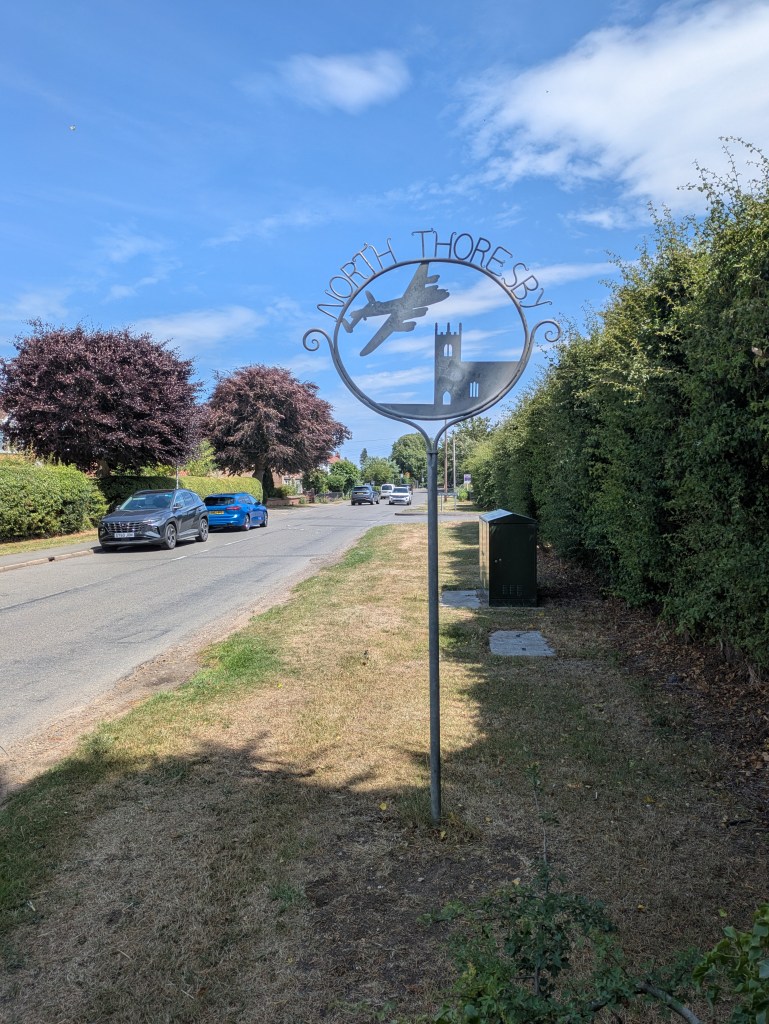
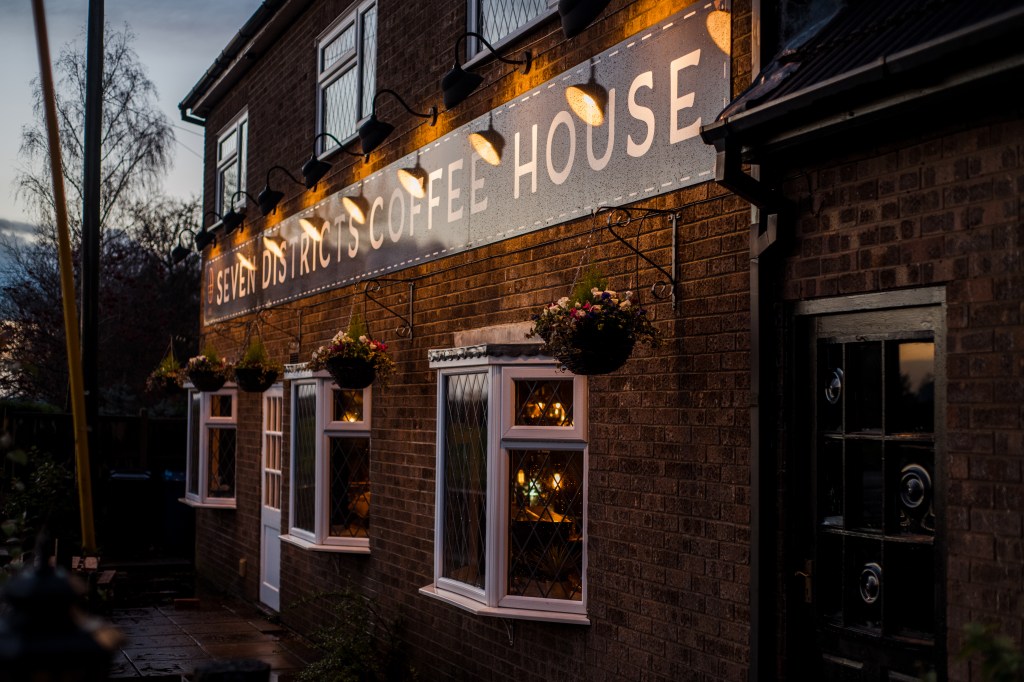
When I moved to North Thoresby in 1997, I became a “regular” at the New Inn which stands at the eastern edge of the village, near the old Station. There were a number of regular village characters among the patrons, including Billy Dick, the milkman, Polish Fred who sat every night in his window seat, and the remarkable, notorious Harry Parker who lived in one of the railway cottages nearby.
Old Harry was renowned for striking up conversations with unsuspecting visitors, who he would regale with a series of fantastic tales until they bought him a drink. He called himself “The Lincolnshire Liar” or “Harry the Liar.” A small slim figure, always wearing a cloth cap, one of his claims was that he had ridden as a jockey in the Derby. He even appeared in a jockey’s costume in the village charity run in the 1980s. His alleged encounters with the upper classes also included having sex with Lady Astor in a “divine” bed. Amongst his other sporting achievements was to score a penalty following which the ball went through the nt and the back of the stand.
Some of his “tales”, he also shared with folk at the bar, including me. He would give people “pet” names; Ian Dixon, for example, was always called “Aubrey”. One of his claims to amazing successes was his successful breeding of chickens with three legs. He would then ask how we thought they would taste. Of course, he didn’t know because he could never catch one! The fan-tailed water rabbit was another of his breeding experiments. He claimed to be a champion gardener, having grown a marrow so large it grew across the road. The council had to come and tunnel through it so that traffic could pass. There were also his amazing inventions, including a flying bicycle, which he used, with his dog on the pillion to scare away a zeppelin.
Other tales were distinctly bawdy, possibly designed to embarrass his captive female audience. There was one about his encounter with a sex worker whose breasts would dispense mild and bitter ale. There was another I dimly remember about having sex with a woman in Louth on top of a dustbin full of rice pudding, into which they fell. There was also his strange story about his daily exercise routine showering under the pump with a brick on his chest.
I would be interested to hear if anyone else remembers him and his tall tales. A real nuisance he could be – on one occasion I was setting questions for the pub trivia quiz. He entered as a one-man team, wrote in completely illegible squiggles for answers then marked them all correct, and claimed the evening’s prize.
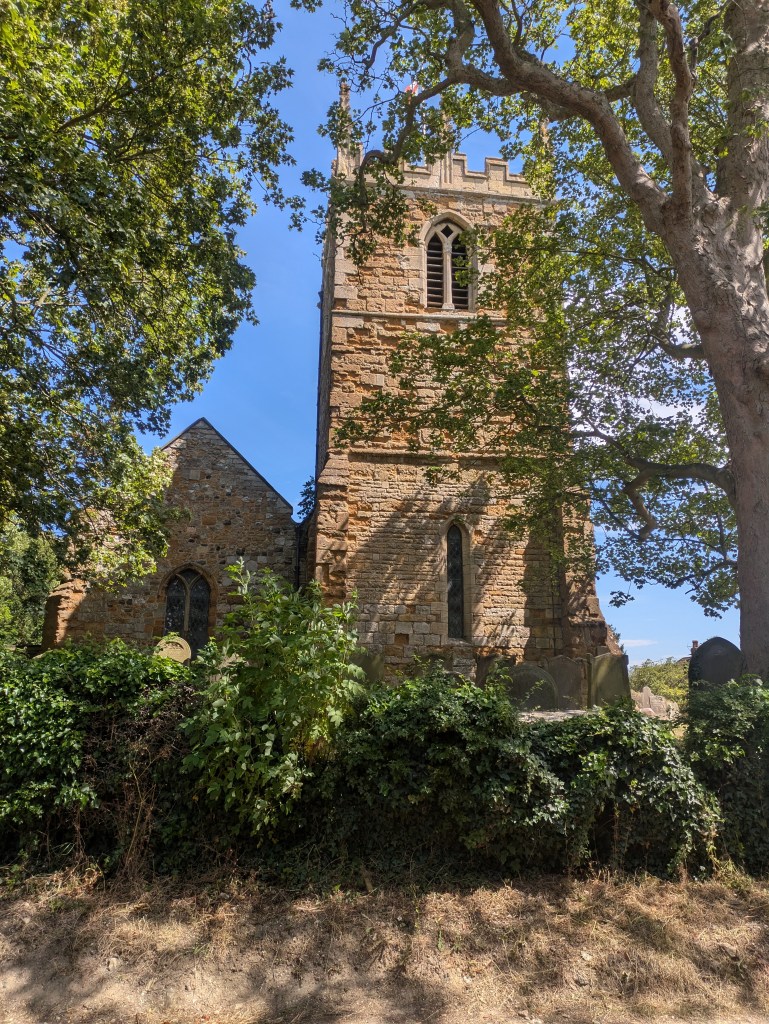
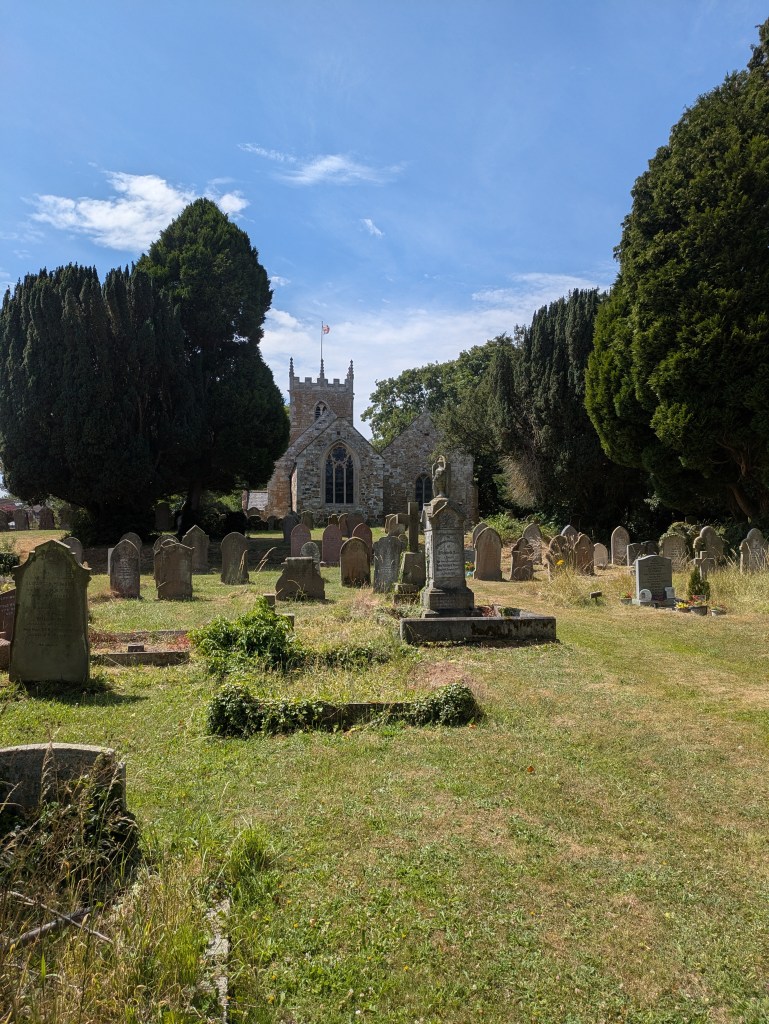
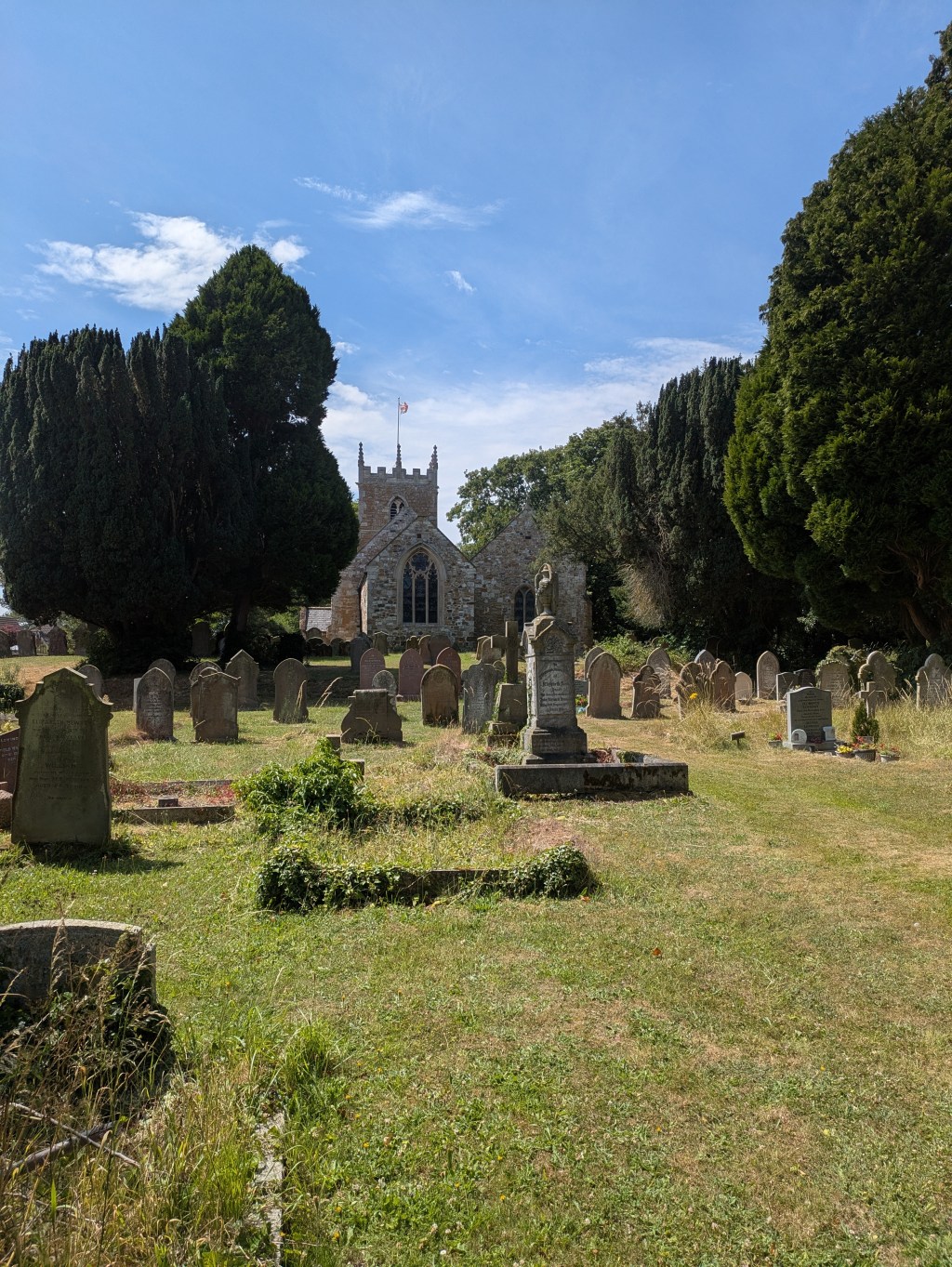
When he died, about 15 years ago, his neighbour Alan Brown took on the task of organising his affairs. There was an attempt to get him a headstone with “He Lieth Still” but perhaps understandably the PCC wouldn’t allow it. I think I’m correct in saying that it turned out that he wasn’t even called Harry. For some reason, possibly to claim some pension or benefits, he had assumed his dead brother’s identity. His real name was Walter Parker.
Words by RUAIRIDH GREIG
The Lincolnshire Folk Tales project is deeply grateful to Ruairidh for bringing this anecdote to our attention. Ruairidh is a retired primary school headteacher, who has had a life-long interest in folk culture – that of his Scottish family roots and his home area of Lincolnshire. As well as being a singer, musician and actor, he has given talks and published a number of articles about traditional customs and songs from the region.
More details about Ruairidh’s folk music collection can be found here: https://folkplay.info/collections/ruairidh-greig-collection.
 Lincolnshire Folk Tales Project
Leave a comment