

At Micklow Hill (Michael-low-hill), near the North Lincolnshire village of Kirmington, a battle was said to have taken place during the English Civil Wars, between the forces of Parliament and those of the King. There is no firm evidence that a skirmish occurred in this area during that war. Nonetheless, according to legend, one Royalist soldier who had been disembowelled (and fatally wounded) allegedly tried to reach Kirmington. He went through a hedge-gap and crossed Caistor Lane (now Caistor Road), but died before he came to the village.
A folk song is purported to have been written about this battle, of which only one couplet is now known:
‘From Micklow Hill to Gibbery Gap
He carried his puddings [entrails] in his cap.’
Two beliefs also survive: that nothing will grow where the soldier crossed; and that his ghost can still be seen, staggering through the hedgerow at Gibbery Gap.
In 2024, the poet and Lincolnshire native Alison Brackenbury was told by a local that a headteacher from the nearby village school would take his pupils to ‘Gibbery Gap’, then recite the gruesome rhyme.
Prior to that, the Gap is mentioned twice by the Lincolnshire folklorist Ethel Rudkin, in her diary entries from April 12th, 1930 and June 22nd, 1956. Rudkin writes:
‘This gap is on the road leading from Hendle woods to Grasby bottom, on the left side (i.e. west) Grasby Bottom crossroads, on the road from Pelham’s Pillar to Kirmington, a little valley with two cottages there.’
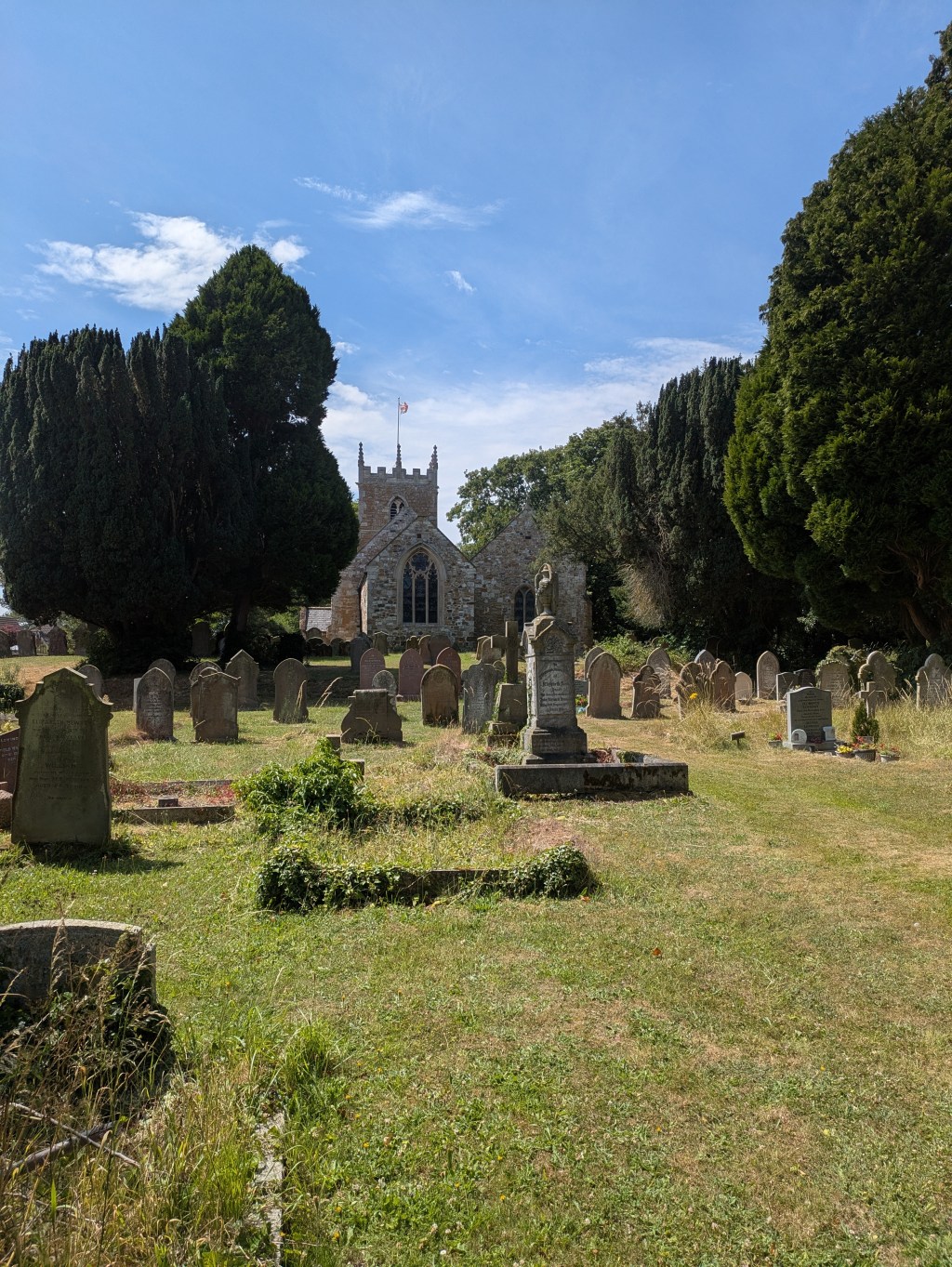
Neither of the entries tells the full story of the soldier. This was kindly given to Alison Brackenbury, in 2022, by Irene Harris, of the Kirmington Village Facebook group, who sent the version written by the late Jenny Walton. This appeared on the final page of Jenny’s 2011 history of the parish church of Kirmington, St Helena’s.
The name may come from the verb ‘gib’, meaning ‘gutting’, specifically of fish – perhaps apt given North Lincolnshire’s fishing heritage.
The Lincolnshire Folk Tales project is grateful to Alison Brackenbury for bringing this story to attention, and for providing a retelling of it for the Lincolnshire Folk Tales Reimagined anthology edited by Anna Milon and Rory Waterman (forthcoming from Five Leaves Publications in 2025).
ANNA MILON

 Lincolnshire Folk Tales Project
Leave a comment