


It used to be received wisdom that a subterranean passage ran between Kirkstead Abbey and Tattershall Castle, nearly three miles to the south. Stories were told of a man who went down into it at the Kirkstead end to see whether this was true, taking his dog for company and a bugle that he said he would blow if he encountered difficulty. After waiting a long time, his friends heard the bugle, and then suddenly the dog rushed out of the tunnel and vanished, never to be seen again. The bugle kept being blown, but grew fainter, and his friends didn’t dare to go down, so the man was never seen again either.
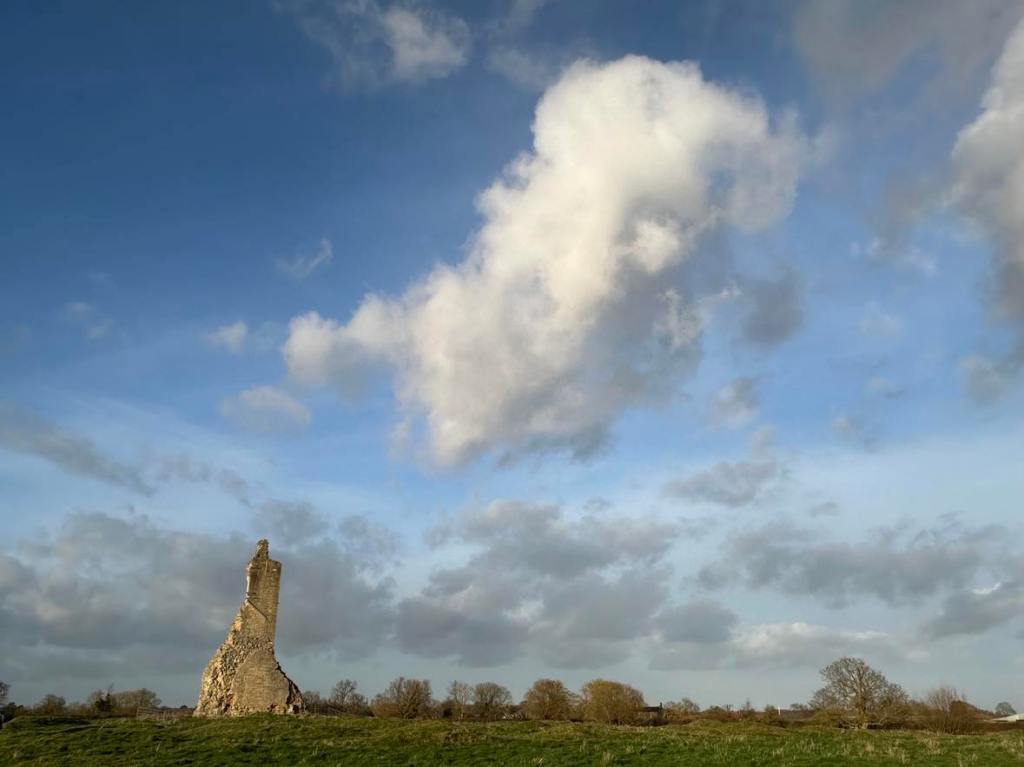
The above tale is recounted in Martin Hughes, ‘Strange Tales of Lincolnshire’, Lincolnshire Life (1968), and was collected by James Alpass Penny in Folklore Round Horncastle (1915), which is sadly out of print, though Horncastle History and Heritage Society have plans to reprint it. The ‘tunnel’ is almost certainly a ‘subterranean canal’ that took sewage away from the Abbey. This can be seen on historical plans, and in William Stukeley’s 1716 map below, but after the Dissolution (1536 at Kirkstead) it was neglected and eventually dried up. Penny found the entrance to it had been blocked, presumably with earth. Over a century after his visit the entrance is impossible to find, though the canal remains as a long depression that joins the moat, as you’ll see if you look at the south-west corner of the site on Google Maps in satellite view. In September 2024, Rory Waterman narrated this episode of the BBC’s Secret Lincolnshire series, ‘The Tale of the Vanished Bugler of Kirkstead Abbey’. You can see the ‘canal’ mentioned in this episode in the print below, in the bottom left-hand (south-west) corner.
The story, or at least belief in the tunnel, seems also to have been common in Tattershall, where ‘evidence’ for its opening appears to have been a little harder to find. The surveyor and amateur archaeologist Frederick Reed explored what was said to be the Tattershall opening of the tunnel, and recorded his exploits in 1872. As the archaeologist James Wright put it in his PhD thesis (2021), ‘The story related to him stated that the passage began in the garderobe of the south-east turret [of Tattershall Castle]. The doughty Reed descended into the latrine shaft and began shifting fallen masonry until he could ascertain that the source of the story was nothing more than the drain which fed into the moat.’
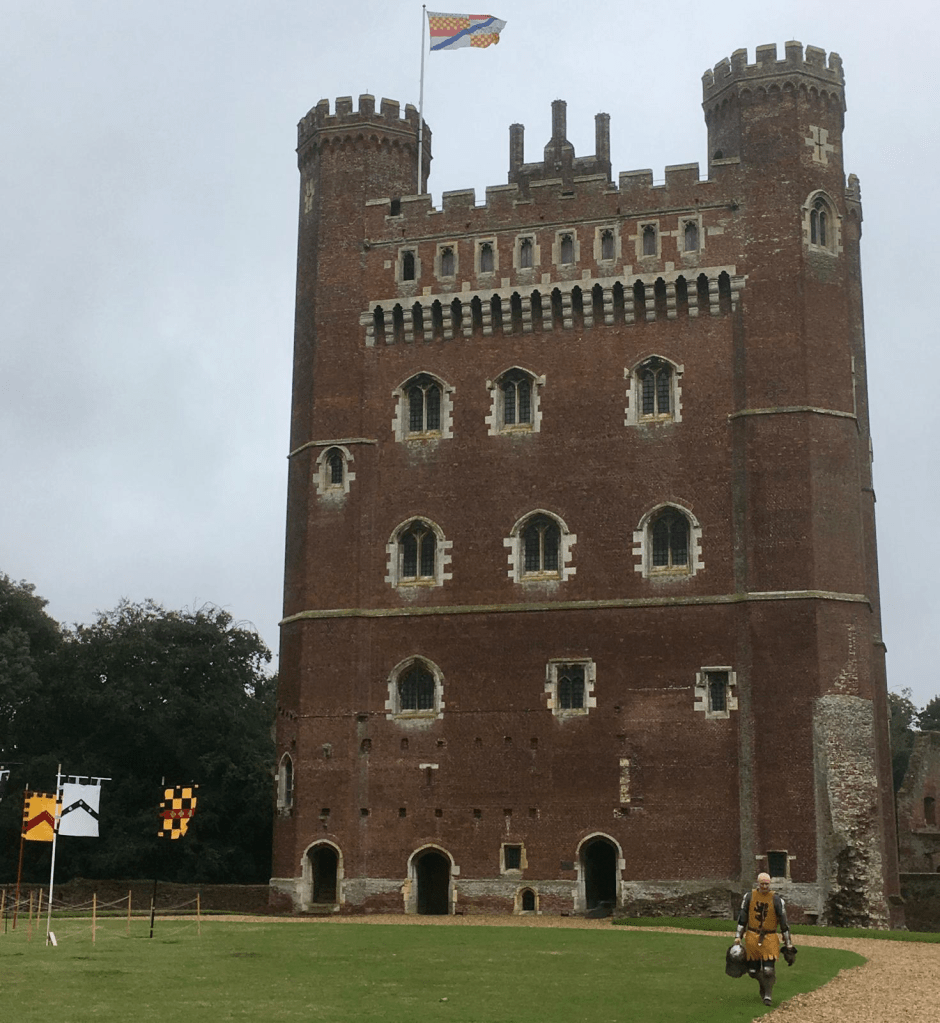
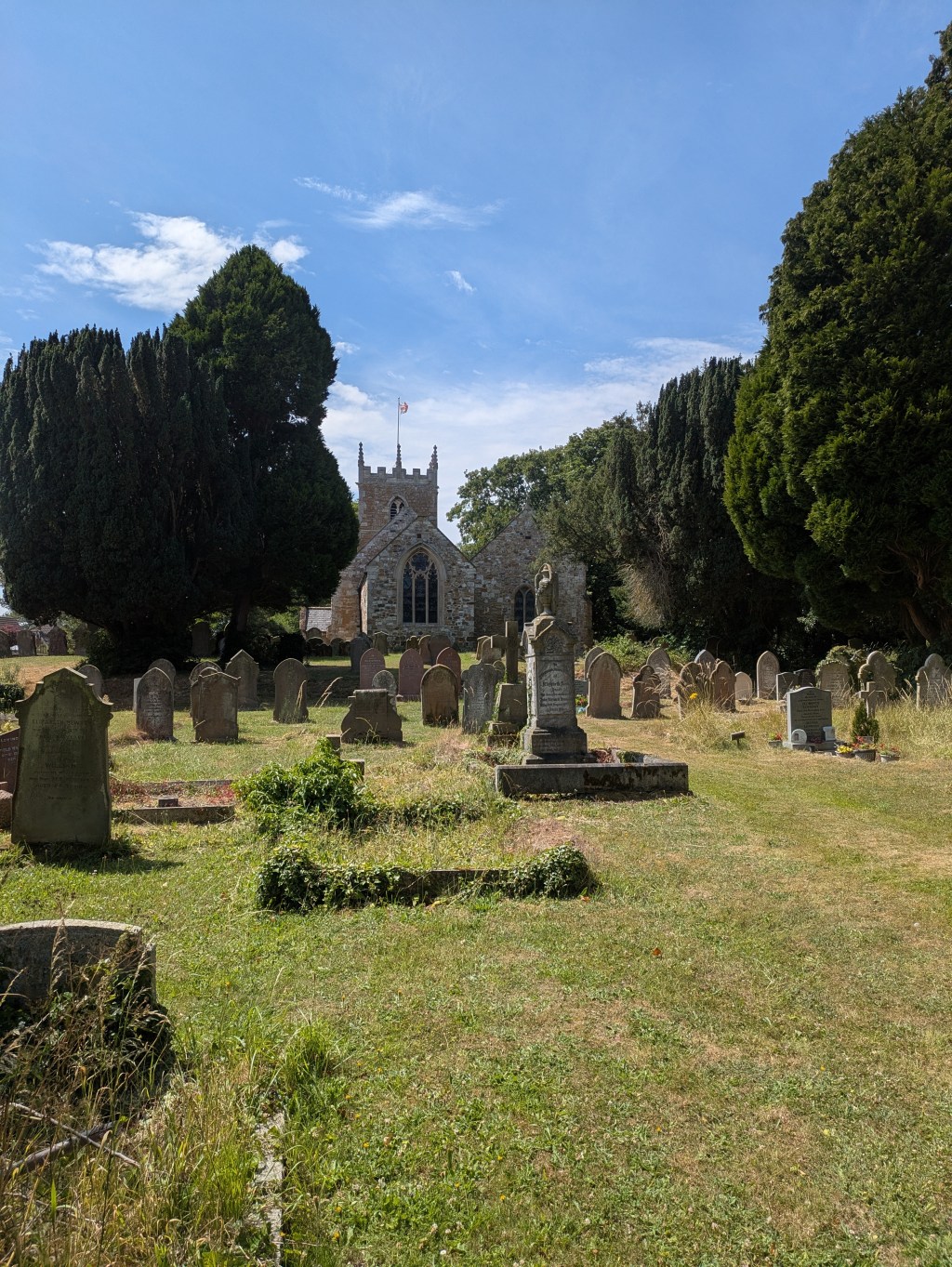
Kirkstead village church is a former chantry chapel, in late Norman style, and is about 100 yards south of the Kirkstead Abbey ruins. If you visit, don’t miss that. The nearby big village of Woodhall Spa is full of attractions – for golfers, those keen on aviation heritage (e.g. the Petwood Hotel and Dambusters memorial), fans of quirky cinemas (the Kinema in the Woods), walkers, people with an interest in Victorian and Edwardian architecture, and gourmands – though it didn’t exist at all until three centuries after Kirkstead Abbey had been dissolved. Tattershall Castle, a few miles south, is a fascinating and impressive place, and is in the care of English Heritage.

The Gate house of Tupholm Abby Linc.
The Ichnography of the Monastery of Kirsted Linc.” after William Stukeley, published 1723.
Words by RORY WATERMAN

 Lincolnshire Folk Tales Project
Leave a comment