

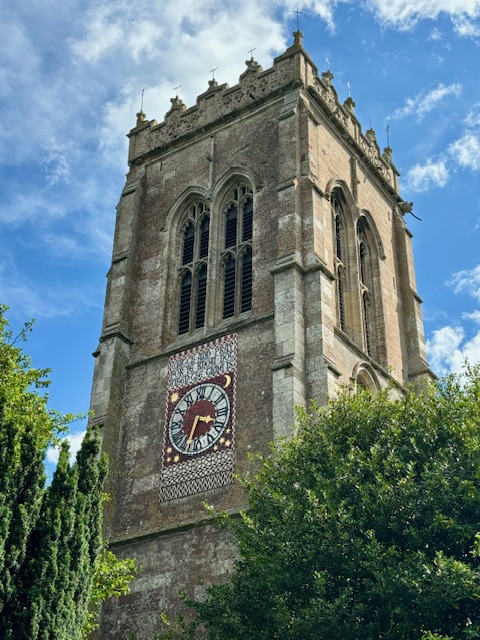
It is said that the inhabitants of Burgh le Marsh used to light a beacon to lure ships, hoping they would assume it marked the shore, would founder, and could then be pillaged. However, in 1629, as the Mary Rose apparently rounded the shore (despite the real Mary Rose having sunk in the Solent in 1545), there was a significant storm, so the people decided instead to see whether nature would do the job for them. One Sexton Guymer is said to have taken a different course of action: he headed to the church, locked himself inside, and rang the bell, ‘Grandsire Bob’, for all he was worth. According to some versions of the story, his daughter Mary tried to stop him as he left, and the villagers of course heard the bell and attempted to break into the church, but the door held fast. The sailors heard it too, and steered clear. When the enraged villagers finally broke down the church door, they found Guymer dead, but the bell-rope still magically being pulled in his hands. The ship’s captain later came to the village to give thanks, and fell in love with and married Mary Guymer.
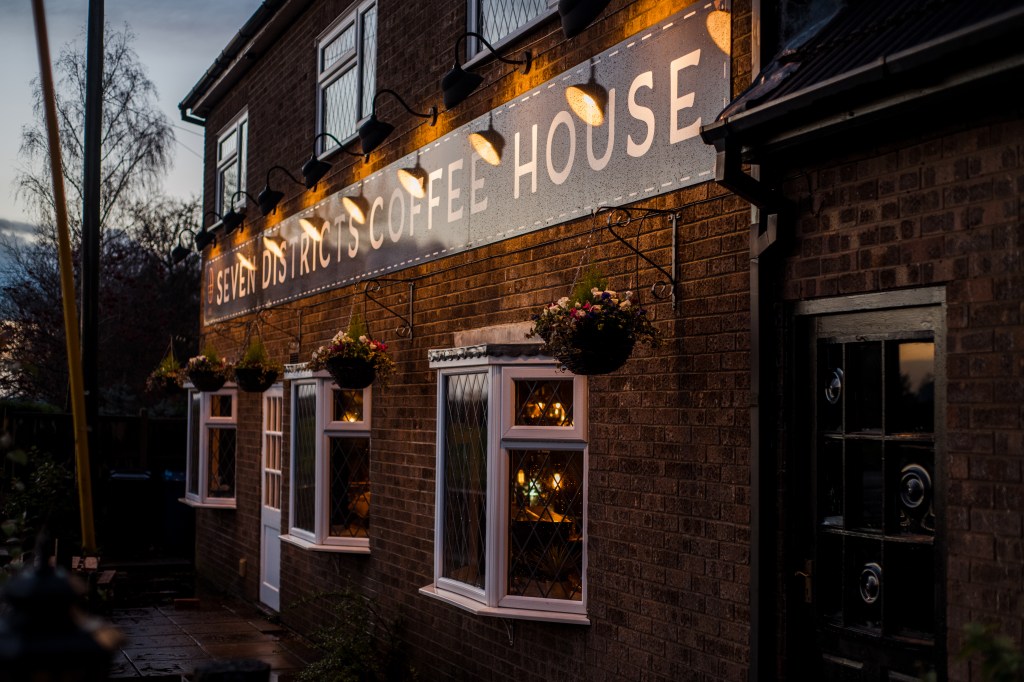
Polly Howat tells a version in Ghosts and Legends of Lincolnshire and the Fen Country (1992). P. A. McHugh outlines the legend on the Mysterious Britain website. The story is also used by Lincolnshire company Seven Districts Coffee, to sell a blend called ‘The Great Bell’.
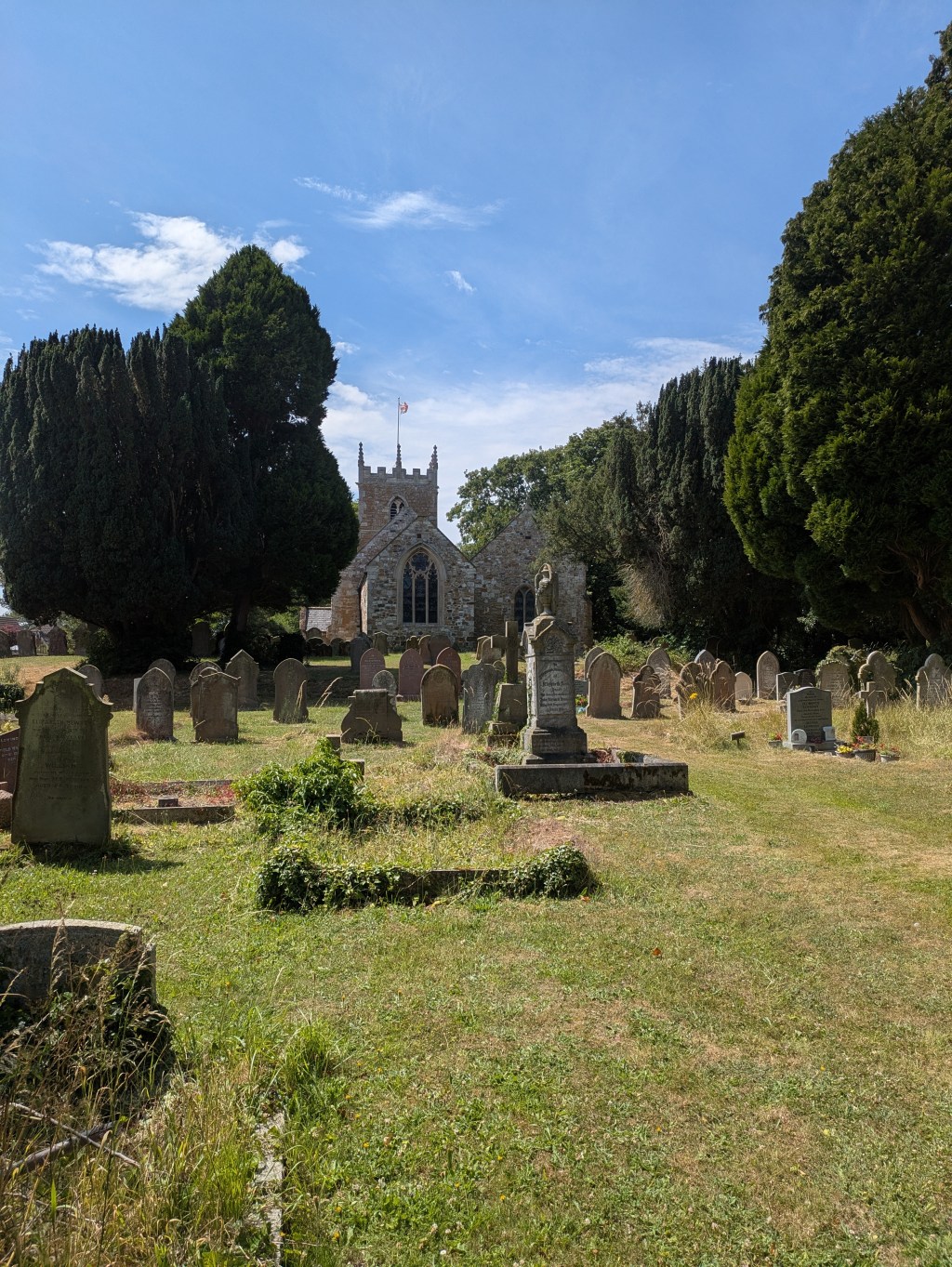
The church is beautiful, and is open daily. Among other treasures and oddities, it contains a huge eagle lectern carved by Jabez Good (1830-1911), author of A Lincolnshire Glossary (1900). Until late in the twentieth century, the curfew bell tolled twice daily from 11 October to 21 March, in commemoration, as described in Calendar Customs.
Words by RORY WATERMAN
 Lincolnshire Folk Tales Project
Leave a comment